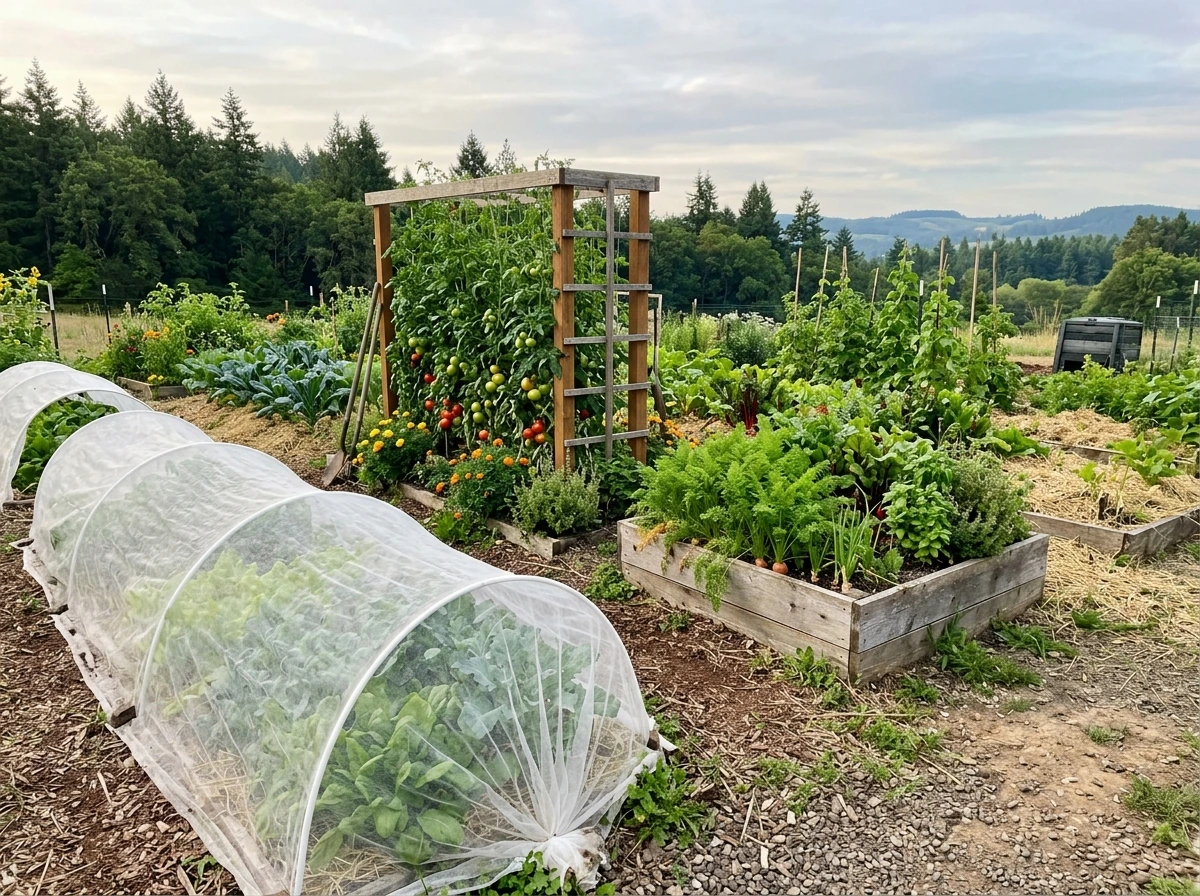
Is marshmallow a plant you can grow or just candy?
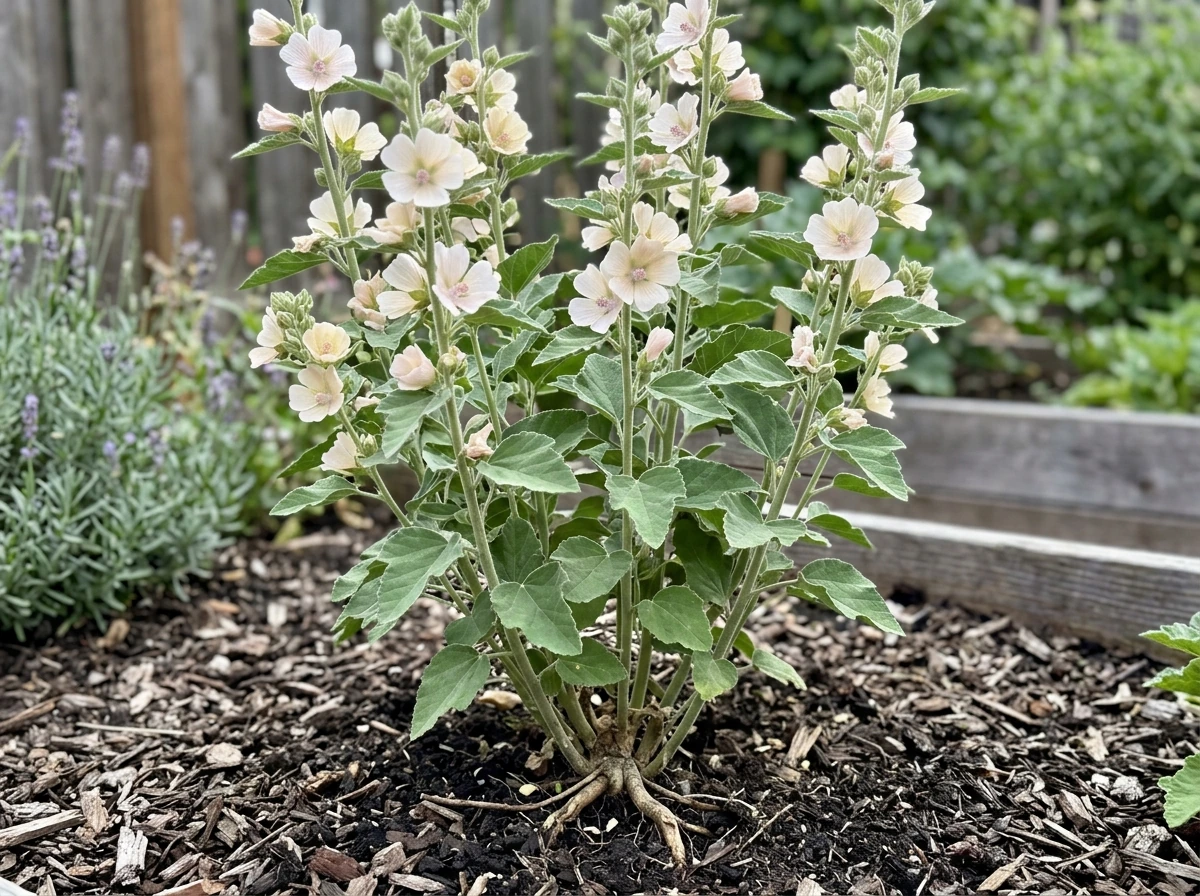
Yes, you can absolutely grow marshmallows, but not the kind you roast over a campfire. The marshmallow plant (Althaea officinalis) is a real, hardy perennial herb that has been cultivated for centuries. Its thick, starchy root is where the candy connection comes in: historically, confectioners used the mucilaginous extract from the root to make a soft, airy sweet. Over time, manufacturers replaced that root extract with gelatin and corn syrup, and the plant got left out of the recipe entirely. So when someone searches 'can you grow marshmallows,' they're usually asking one of two things: can I grow the actual marshmallow plant in my garden, or can I somehow grow my own marshmallow candy ingredient? The answer to the first question is a clear yes. The answer to the second requires a bit more explanation.
What 'growing marshmallows candy' means in practice
Modern commercial marshmallows are made from corn syrup, sugar, water, invert sugar, and gelatin. A standard formula runs roughly 60% corn syrup, 30% sugar, and about 1 to 2% gelatin. None of that comes from the marshmallow plant. If you grow Althaea officinalis hoping to churn out bags of fluffy white candy, you'll need to adjust your expectations. The plant's root does contain a natural mucilage that can act as a mild thickener or binder, but it is not a mainstream substitute for gelatin in home candy-making, and no commercial producer is using it either.
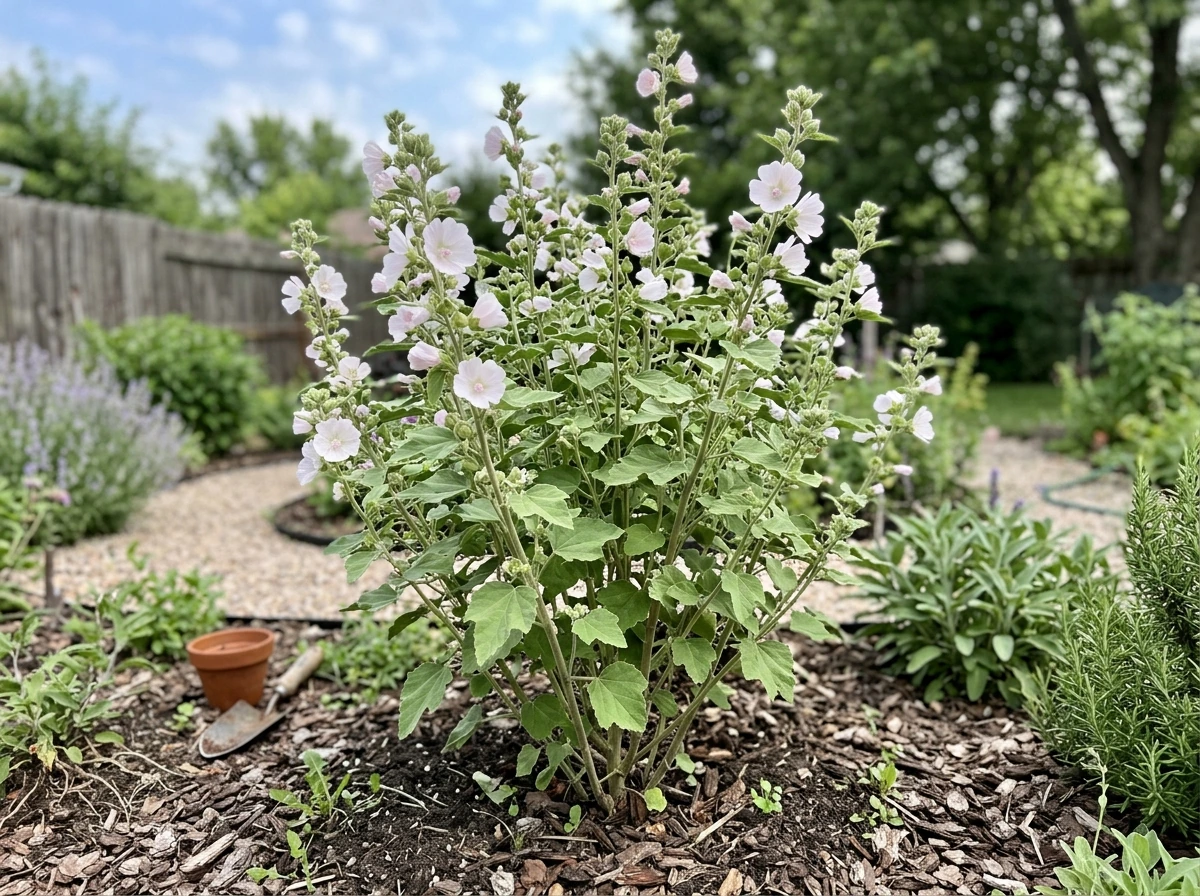
That said, if you want to make a genuinely old-school, plant-based marshmallow confection, the root extract from a mature Althaea officinalis plant is the authentic ingredient. You'd harvest the roots, simmer them to release the mucilage, strain the liquid, and then whip it with sugar into a soft candy. It's a real project, but it's doable with two or more years of patience and a healthy patch of plants. For most home growers, the more immediate payoff is the plant itself: a tall, attractive perennial with soft leaves and pink flowers that also serves as an edible and medicinal herb.
Growing conditions (US climate, zone, soil, sunlight, moisture)
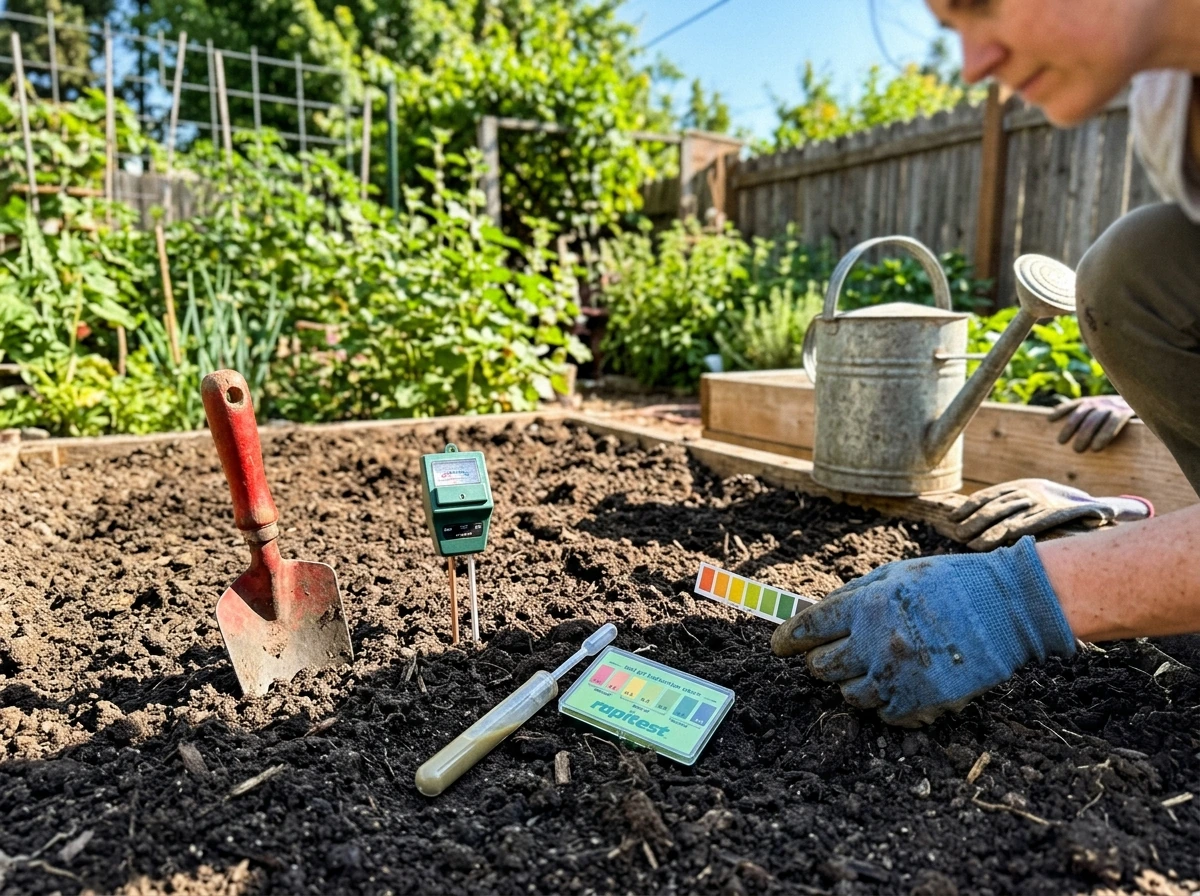
Althaea officinalis is listed as hardy in USDA zones 3 through 7, which covers a huge swath of the US including most of the Midwest, Northeast, Mid-Atlantic, and Pacific Northwest. It survives cold winters down to zone 3 without much fuss, which means it's more cold-tolerant than a lot of herbs people routinely grow. The challenge isn't cold, it's heat and humidity, which is why zones 8 and above (think deep South, desert Southwest, and Florida) are harder territory.
Soil pH should be in the 6 to 7.5 range for best results. The plant is flexible and will grow in most pH levels, but it really performs in light, well-draining soil. Heavy clay is one of the biggest problems you can run into, because it holds moisture around the roots and invites rot. Sandy loam or amended garden beds with good drainage are ideal. If your soil is dense, mix in compost or coarse sand before planting.
For sunlight, marshmallow does well in full sun to partial shade. It'll tolerate some afternoon shade, especially in warmer zones, but a spot with at least 6 hours of direct sun per day keeps it vigorous and productive. Moisture is a balancing act: the plant likes consistent water (it's called 'marsh' mallow for a reason), but it does not want to sit in waterlogged soil. Think 'moist but well-drained,' not swampy. In practice, water when the top inch of soil dries out and make sure your bed never puddles after rain.
How to grow marshmallow plant (seeds vs roots)
Starting from seed
Seeds are the most common starting point and are widely available from herb seed sellers. The catch is that Althaea officinalis seeds have a dormancy mechanism that requires cold stratification before they germinate well. Without it, germination is spotty and frustrating. With it, you'll see seedlings in 2 to 3 weeks after sowing.
You have two practical options for stratification. The first is to sow seeds directly in your garden in late fall and let winter do the work naturally. This lines up with how the plant reproduces in the wild and is the lowest-effort approach if you're in zones 3 through 6. The second option is to cold-stratify seeds yourself in the refrigerator before a spring sowing: place seeds in a damp paper towel inside a plastic bag and refrigerate for 4 to 6 weeks, then sow in spring once soil temperatures reach around 70 to 85°F for best germination. Seeds germinate better in light than in darkness, so surface-sow or barely cover them with fine soil. Expect germination to begin 2 to 3 weeks after planting.
- Choose a site with full sun to partial shade and well-draining, light soil.
- Cold-stratify seeds for 4 to 6 weeks in the refrigerator (damp paper towel in a sealed bag), or sow directly in late fall for natural stratification.
- Sow seeds at or near the soil surface, as light improves germination.
- Keep soil consistently moist but not waterlogged until seedlings emerge (2 to 3 weeks after sowing).
- Thin seedlings to about 18 to 24 inches apart once they reach a few inches tall.
- Water regularly through the first growing season to establish a strong root system.
Starting from roots or division
If you can get hold of an established plant or root divisions, this is a faster path. Althaea officinalis can be propagated by dividing the root clump in spring or autumn. You simply dig up the root mass, split it into sections (each with some crown attached), and replant. Root cuttings taken in December are another option, though less common for home gardeners. Division gives you plants that are already past the slow germination stage, so they establish quicker and may be harvestable a season earlier than seed-started plants.
How long it takes and what you can harvest and use
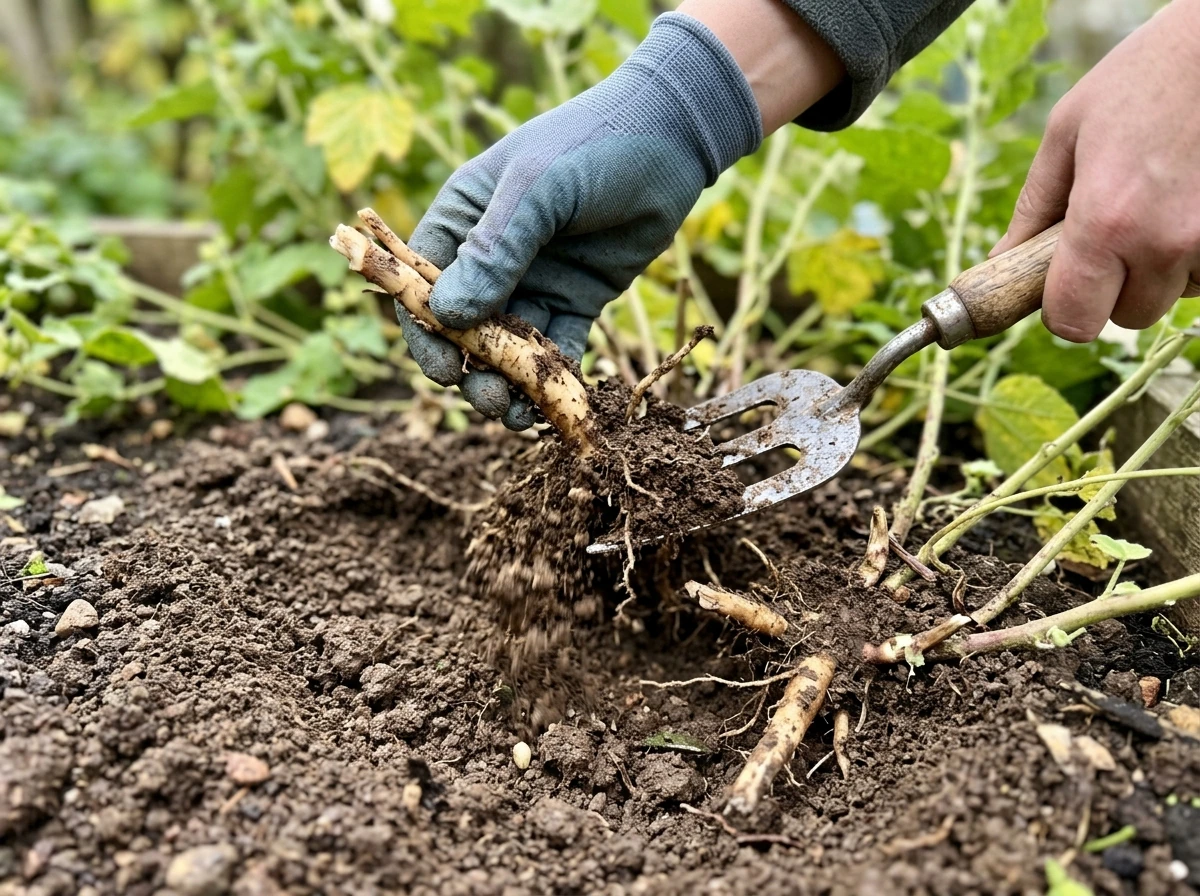
This is where you need to set realistic expectations. If you want usable roots, you're looking at a two-year commitment minimum, so it’s a good time to plan ahead if you’re also asking “can you grow delta-8” and want to understand how long cannabis-style crops can take in your area. The BBC Gardeners World guidance is clear on this: harvest roots once the plant is two years old. The roots are thick, long, and tapering, and they need time to develop the starchy mucilage content that makes them useful. Harvesting too early gives you thin, fibrous roots that aren't worth the effort. Plan to harvest in late fall of the second year, after the tops die back following the first frost. At that point, dig the entire root carefully with a garden fork.
Keep in mind that root harvest is destructive: once you dig the root, that plant is done. If you want to keep your patch going, either leave some root crown in the ground to regrow, or stagger your plantings so you always have second-year plants coming up alongside first-year ones. A rotation system across two or three beds works well for anyone serious about harvesting roots regularly.
Beyond roots, you can harvest leaves and flowers in year one. Young leaves are edible and have been used in salads and cooked greens. The pale pink flowers are also edible and make a nice garnish. So while you're waiting on those roots, the plant still earns its garden space.
Challenges, pests and diseases, and troubleshooting
Fungal diseases
The biggest disease risk for marshmallow is rust, specifically hollyhock rust caused by a rust fungus that affects Alcea and Althaea family members. You'll spot it as orange-brown pustules on the underside of leaves. It spreads fast in humid conditions and can defoliate plants if left unchecked. The fix is to remove and destroy affected leaves immediately, avoid overhead watering, and keep good air circulation by not crowding plants. An organic sulfur-based fungicide can help if you catch it early.
Root rot is the other major threat, caused by Pythium, Phytophthora, or Rhizoctonia fungi in waterlogged or overly wet soil. If your plants are wilting even when the soil is moist, or if you see browning at the base of the stem, root rot is likely the culprit. Once it's established it's very hard to reverse. Prevention is everything: plant in well-draining soil, don't overwater, and avoid planting in low spots where water pools after rain.
Seedling damping-off is a related problem during germination and early growth. Young seedlings collapse at the soil line, usually because of excess moisture combined with cool temperatures. Keep your seedling area well-ventilated, water from below if possible, and don't let trays sit in standing water.
Other common problems
- Poor germination: Almost always a stratification issue. If seeds aren't sprouting, they likely didn't get enough cold treatment. Restart with a proper 4 to 6 week cold stratification period.
- Leggy, weak plants: Usually a sunlight problem. Move to a sunnier spot or thin surrounding plants to reduce competition.
- Leaf spots: Can be fungal or bacterial. Remove affected leaves, improve air circulation, and avoid wetting foliage when watering.
- Aphids and spider mites: Occasional visitors, especially in dry conditions. A strong spray of water or insecticidal soap handles most infestations.
- Failure to overwinter: In zones 3 to 5, plants are hardy but may struggle in their first winter if not well established. Plant early enough in spring (or fall) to allow root development before freeze-up.
Region-by-region feasibility and choosing the right variety
Althaea officinalis is not a plant with a long list of named cultivars to choose from. Most US seed sellers offer it as a single species. That means matching your success to your region is mostly about USDA zone, microclimate, drainage, and seasonal timing rather than picking the 'right cultivar.' Here's how it breaks down across US regions.
| Region / Zone | Feasibility | Key Considerations |
|---|
| Zones 3–5 (Upper Midwest, New England, Northern Plains) | Excellent | Cold winters provide natural seed stratification. Overwinters reliably. Ideal climate for root development. Fall-sow or refrigerator-stratify for spring planting. |
| Zones 6–7 (Mid-Atlantic, Midwest, Pacific Northwest, parts of the South) | Very Good | Good balance of cold winters and moderate summers. Spring sowing after refrigerator stratification works well. Watch for humidity-related rust. |
| Zone 7 transitional (Tennessee, Virginia, parts of the Carolinas, lower Pacific NW) | Good with care | Summers can be hot and humid, increasing rust risk. Plant in well-drained soil, full sun, and scout regularly for disease. |
| Zone 8 (Pacific Coast, parts of the South, Pacific NW lowlands) | Marginal | Winters may not be cold enough for reliable natural stratification. Refrigerator stratification required. Root development may be slower in mild winters. |
| Zones 9–11 (Florida, Gulf Coast, desert Southwest, Southern California) | Difficult to not recommended | Too hot, too humid, or too dry depending on location. Root rot, rust, and heat stress are significant barriers. Not worth attempting without a very controlled microclimate. |
If you're in the sweet spot of zones 3 through 7, growing marshmallow is genuinely straightforward. Prepare a well-draining bed, cold-stratify your seeds (or sow in late fall), give plants room and consistent water, and plan for a two-year wait before digging roots. If you're in zone 8 or warmer, you can try it as an annual or short-lived perennial, but be realistic: you'll fight more disease pressure and may not get the robust root development the plant achieves in cooler climates.
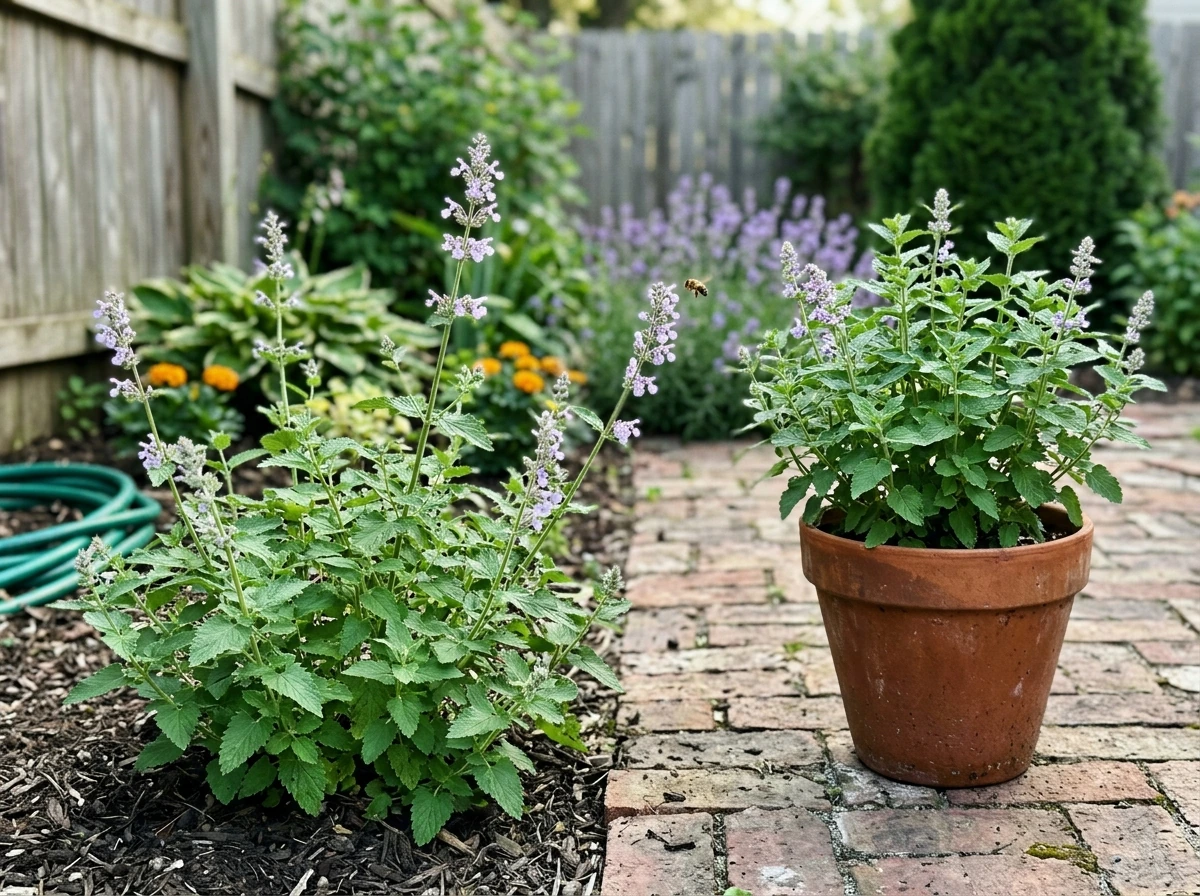
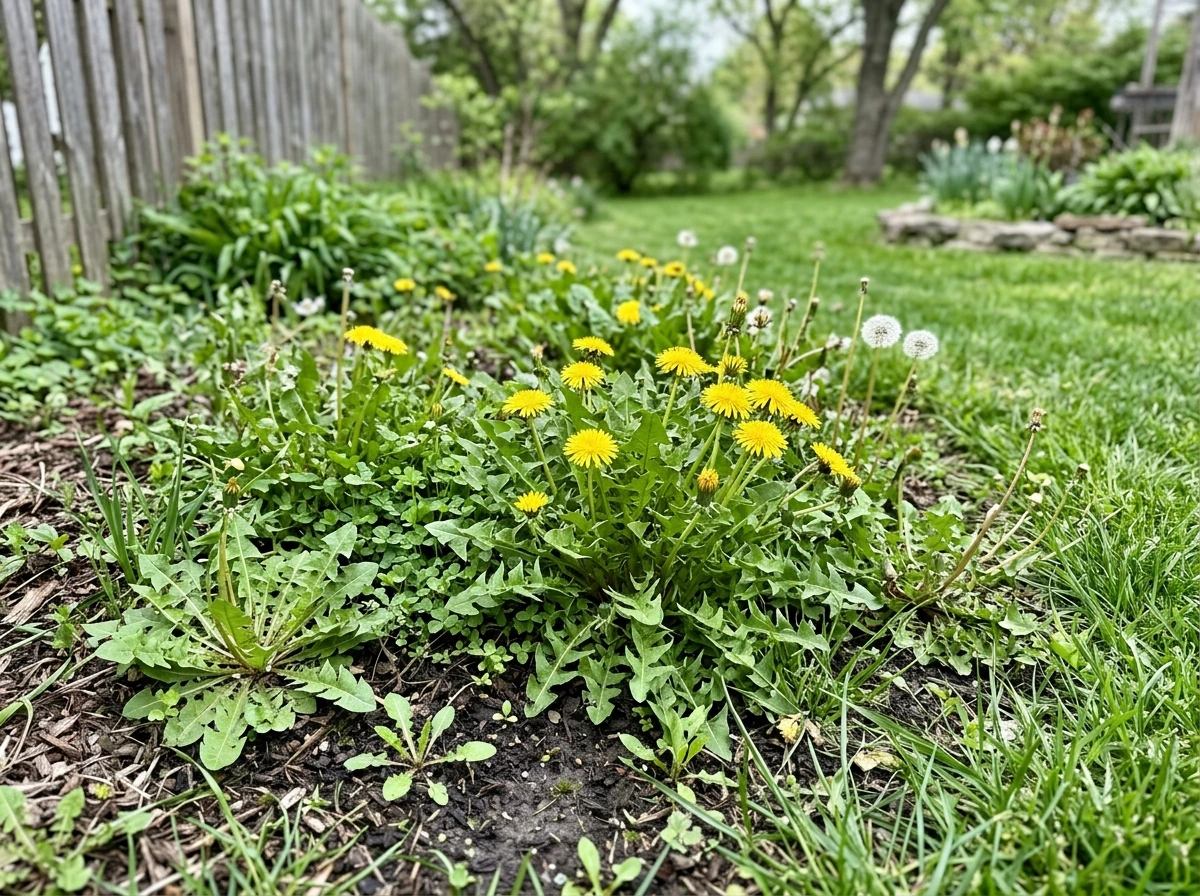
For readers in similar territory exploring other herb and specialty plants, the same zone-based thinking applies to plants like [catnip]({keyworduuid: "7A951350-E1B4-4801-A33A-8A611F4103ED"}) or [dandelions]({keyworduuid: "D9BC1ED8-5A09-47D6-9CF7-B70309072321"}), both of which also have surprisingly wide growing ranges across US states. The principle is the same: match the plant's native climate preferences to your zone and microclimate, then manage the controllable variables like soil drainage, sunlight, and timing.
Your next steps
- Look up your USDA hardiness zone (usda.gov plant hardiness map) to confirm you're in zones 3 through 7 for the best results.
- Source seeds from a reputable herb seed seller such as True Leaf Market, Annapolis Seeds, or Annie's Heirloom Seeds.
- If it's currently spring or summer, start cold stratification in the refrigerator now (4 to 6 weeks) and plan a late spring sowing, or prepare a bed for a direct fall sowing.
- Amend your soil with compost if it's heavy clay, and confirm drainage by doing a simple perc test: dig a hole, fill it with water, and see if it drains within an hour.
- Plan for a two-year timeline before root harvest, and mark your planting date so you know when to dig.
- If you're in zones 8 and above, decide whether the effort is worth it for your goals, or focus on the plant's leaf and flower harvest instead of roots.