
Yes, you can grow ashwagandha in the US, but whether it gets to harvestable roots depends heavily on where you live and how long your warm season actually runs. but whether it gets to harvestable roots depends heavily on where you live and how long your warm season actually runs. Ashwagandha (Withania somnifera) is a subtropical shrub grown primarily for its fleshy taproot, and it needs roughly 150 to 180 days of warm, frost-free weather to get there. If you're in the South, Southwest, or coastal California, you can grow it in the ground with minimal fuss. If you're in the Midwest, Northeast, or Pacific Northwest, containers and a careful indoor start are the practical path. Either way, it's doable, it just takes a little planning up front.
Can You Grow Ashwagandha Where You Live? A Practical Guide
Quick Answer: Can You Grow Ashwagandha Where You Live?
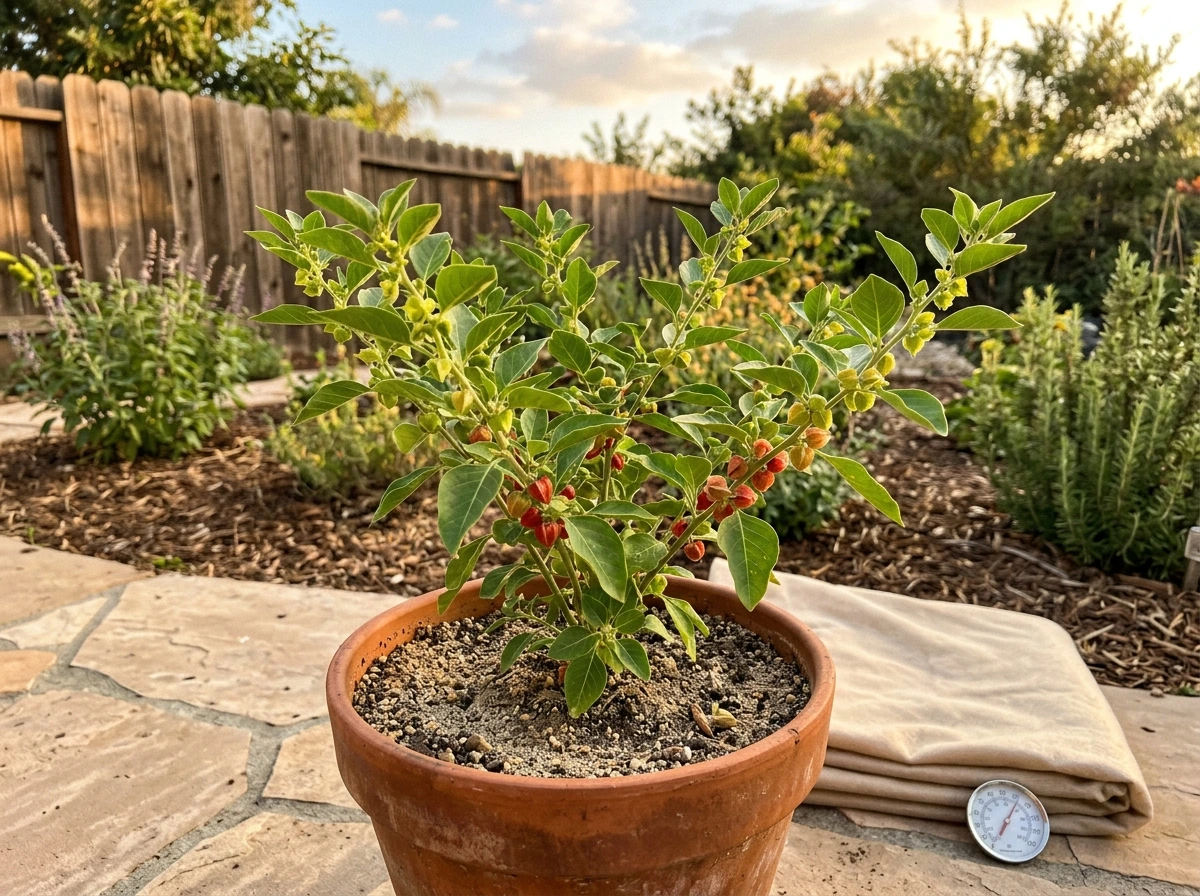
Ashwagandha is reliably perennial in USDA zones 9 and above, meaning it can stay in the ground year-round in places like Southern California, Arizona, Texas, and Florida. In zones 7 and 8, it's a borderline situation: mild winters might let it survive, but a hard frost will kill it back and you may lose your root. In zones 6 and colder, treat it as an annual or grow it in containers you can bring inside before first frost. The plant is frost-sensitive, full stop. A single hard freeze wipes out the aboveground plant, and if the roots freeze, the whole crop is gone.
The good news is that the NC State Extension confirms ashwagandha does well in pots, so zone doesn't have to be a dealbreaker. What matters most is that you give it at least 150 frost-free days with temperatures consistently between 68°F and 95°F (20°C to 35°C). If your climate delivers that, you're in business.
US Climate and Season Length: What Ashwagandha Actually Needs
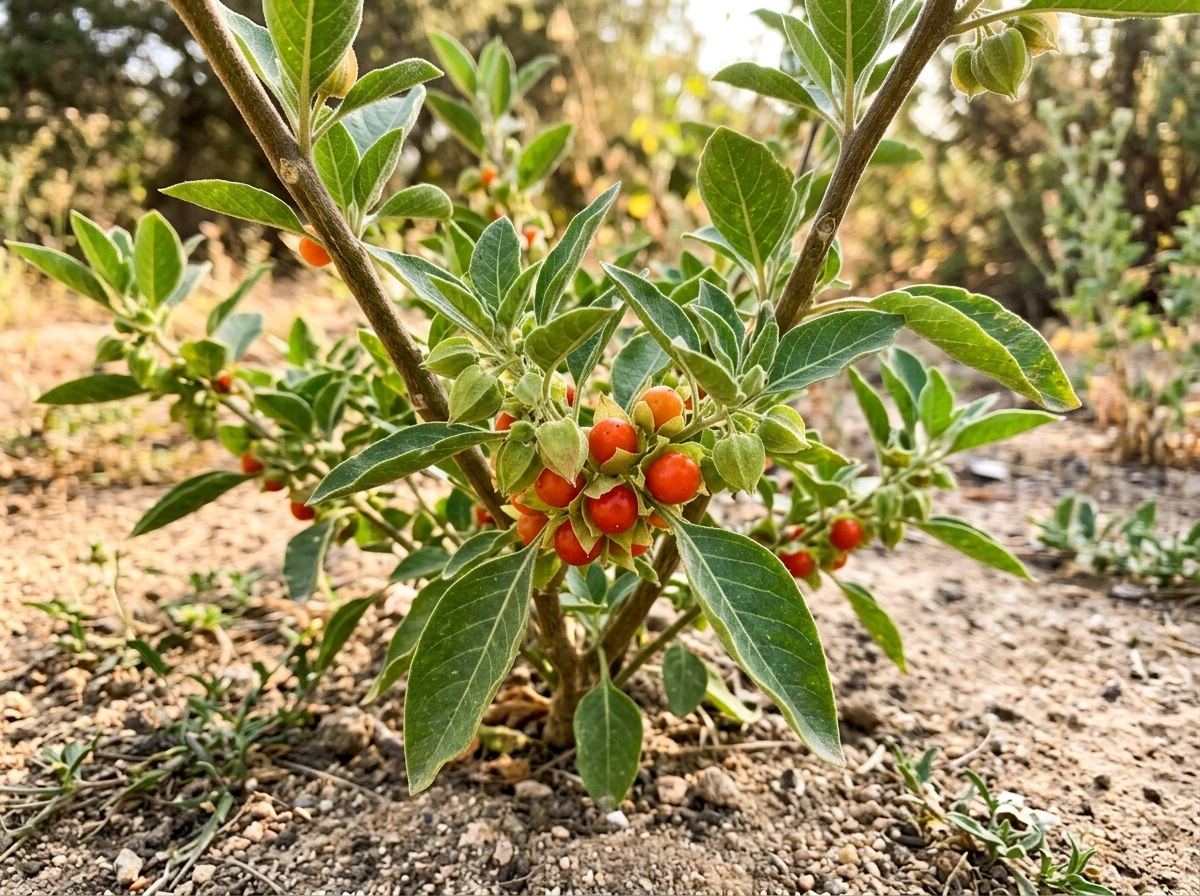
Ashwagandha is native to India, North Africa, and the Mediterranean, so it evolved in hot, dry, semi-arid conditions. In the US, that maps most closely to the Southwest and the Southeast. The crop's optimal temperature window for growth and germination is 68°F to 95°F (20°C to 35°C), and germination research confirms seeds sprout best at 68°F to 77°F (20°C to 25°C). Push it above 95°F for extended periods and growth slows; drop it below 50°F and the plant struggles.
Season length is the practical bottleneck for most US growers. Ashwagandha takes 150 to 180 days from transplant to harvestable roots. That's a minimum of five months, and that's after transplanting seedlings that already needed six weeks of indoor growing time. So realistically, you're looking at a seven-month commitment from seed to harvest. If your last spring frost is in late April and your first fall frost is in early October, you're working with a five-and-a-half month window, which is tight. You'd need to start seeds indoors in early March and be ready to transplant the moment nighttime temps stay above 50°F consistently.
| Region | Typical Frost-Free Days | Feasibility | Best Approach |
|---|---|---|---|
| Southern California, AZ, Southern TX, FL | 300+ days | Excellent | In-ground, perennial |
| Mid-Atlantic, Carolinas, Central TX (Zone 7–8) | 180–220 days | Good with timing | In-ground annual or large container |
| Midwest, Great Plains, Pacific Northwest (Zone 5–6) | 120–160 days | Challenging | Container with early indoor start |
| Northern states, Mountain West (Zone 4 and below) | Under 120 days | Very difficult | Container indoors or in greenhouse only |
Soil, Light, and Water: Getting the Basics Right
Soil
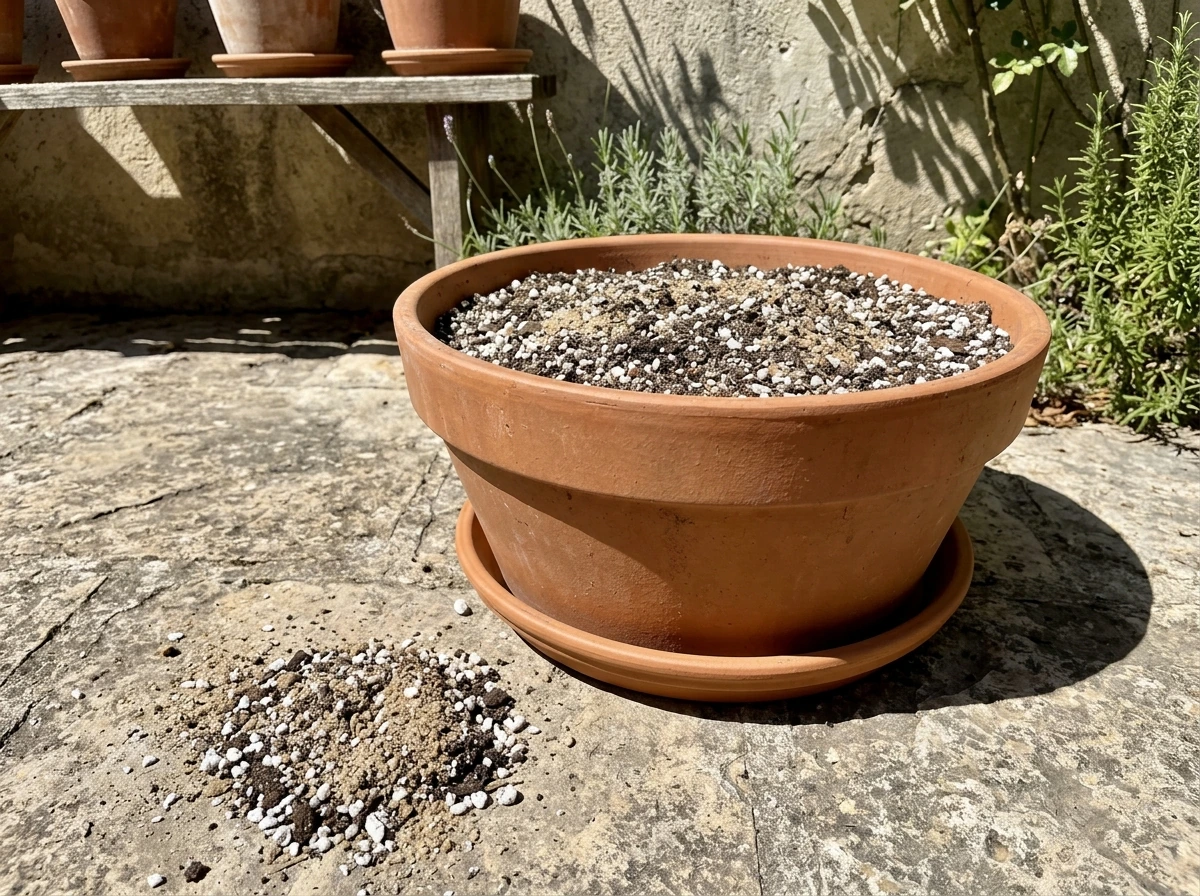
Ashwagandha wants well-drained, sandy or loamy soil on the alkaline side. A soil pH of 7.5 to 8.0 is ideal, which is slightly alkaline. If your native soil runs acidic (common in the Southeast and Pacific Northwest), you'll want to amend with agricultural lime before planting. Avoid heavy clay or compacted soils entirely: the taproot needs room to push down and expand, and waterlogged conditions will rot it. Good drainage is more important than high fertility. If you're unsure about your soil, a basic test from your county extension office will tell you exactly where you stand.
Light
Full sun, no compromises. Ashwagandha wants at least six to eight hours of direct sunlight per day, and it performs better with more. This is a plant that originated in open, sun-baked landscapes, so shading it down will result in weak, spindly growth and poor root development. If you're growing in containers indoors, place them in your sunniest south-facing window or, better yet, supplement with a grow light.
Watering
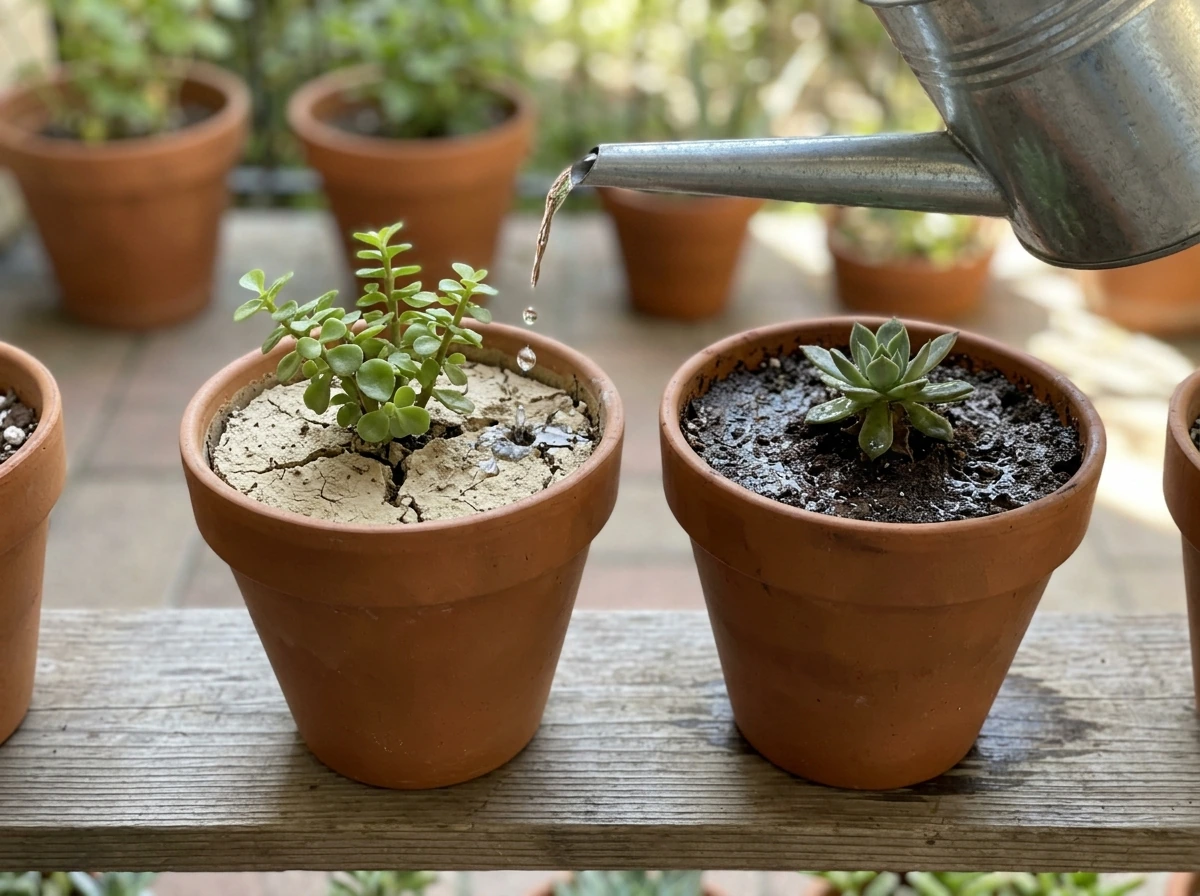
Once established, ashwagandha is drought-tolerant and actually prefers to dry out between waterings. Overwatering is a much more common mistake than underwatering. Water deeply and then let the top two inches of soil dry before watering again. During the root-bulking phase (roughly the last two months before harvest), consistent but moderate moisture helps, but soggy soil at any point risks root rot. If you're in a humid climate like the Gulf Coast or Southeast, make sure drainage is excellent and consider raised beds to prevent waterlogging.
Seeds or Transplants: Which Way to Start
You have two options: start from seed or buy transplants. Seeds are much more commonly available and cheaper, but ashwagandha seeds have notoriously variable germination. Research on seed dormancy in Withania somnifera shows low and erratic germination rates, so don't be surprised if only half your seeds sprout even under ideal conditions. To give yourself the best shot, sow seeds at 68°F to 77°F (20°C to 25°C) with consistent moisture, and expect germination to take 7 to 14 days. Sow more seeds than you think you need.
The practical sequence for most US growers looks like this: start seeds indoors 6 weeks before your last frost date, grow seedlings under warm conditions (aiming for daytime temps around 70°F to 80°F and nighttime temps around 64°F to 70°F), and then transplant outdoors once nighttime temperatures are reliably above 50°F and the forecast is clear of frost. Transplant shock is real with ashwagandha, so harden seedlings off over 7 to 10 days by gradually introducing them to outdoor conditions before planting out.
For in-ground planting, use a spacing of roughly 24 inches by 24 inches (60 cm by 60 cm). That's a generous gap, but ashwagandha plants can get 2 to 4 feet tall and wide, and tight spacing means root competition that limits yield. Plant at the same depth the seedling was growing in its pot, burying just the root ball. If you're planting seeds directly outdoors (only a good option in zones 9 and above with a long warm season), sow them about a quarter inch deep.
Keeping It Growing: Feeding, Weeds, and Common Problems
Fertilizing
Ashwagandha is not a heavy feeder, which actually makes sense given its native habitat. A light application of a balanced, low-nitrogen fertilizer at transplant time is usually enough to get things started. Too much nitrogen pushes leafy growth at the expense of root development, which is the exact opposite of what you want. If your soil is already reasonably fertile, you may not need to fertilize at all beyond an initial amendment of compost worked into the bed before planting.
Weed Control
Weed pressure is a real issue for young ashwagandha plants, especially in the first six to eight weeks after transplanting. The seedlings are slow to establish and can easily get outcompeted. A two to three inch layer of mulch around the base of each plant helps suppress weeds and retain soil moisture. Hand-pull any weeds that do break through, especially close to the stem, to avoid disturbing the developing root.
Pests and Disease
Ashwagandha is relatively pest-resistant, which is one of its selling points for home growers. The most common issues are aphids and spider mites, both of which tend to show up during hot, dry spells or when plants are stressed. A strong spray of water or diluted neem oil handles most infestations. Root rot from overwatering or poor drainage is the most serious disease risk. In humid climates, watch for fungal issues on the foliage and make sure you have good air circulation between plants. Powdery mildew can appear late in the season but rarely affects root quality significantly if caught early.
When and How to Harvest Your Roots
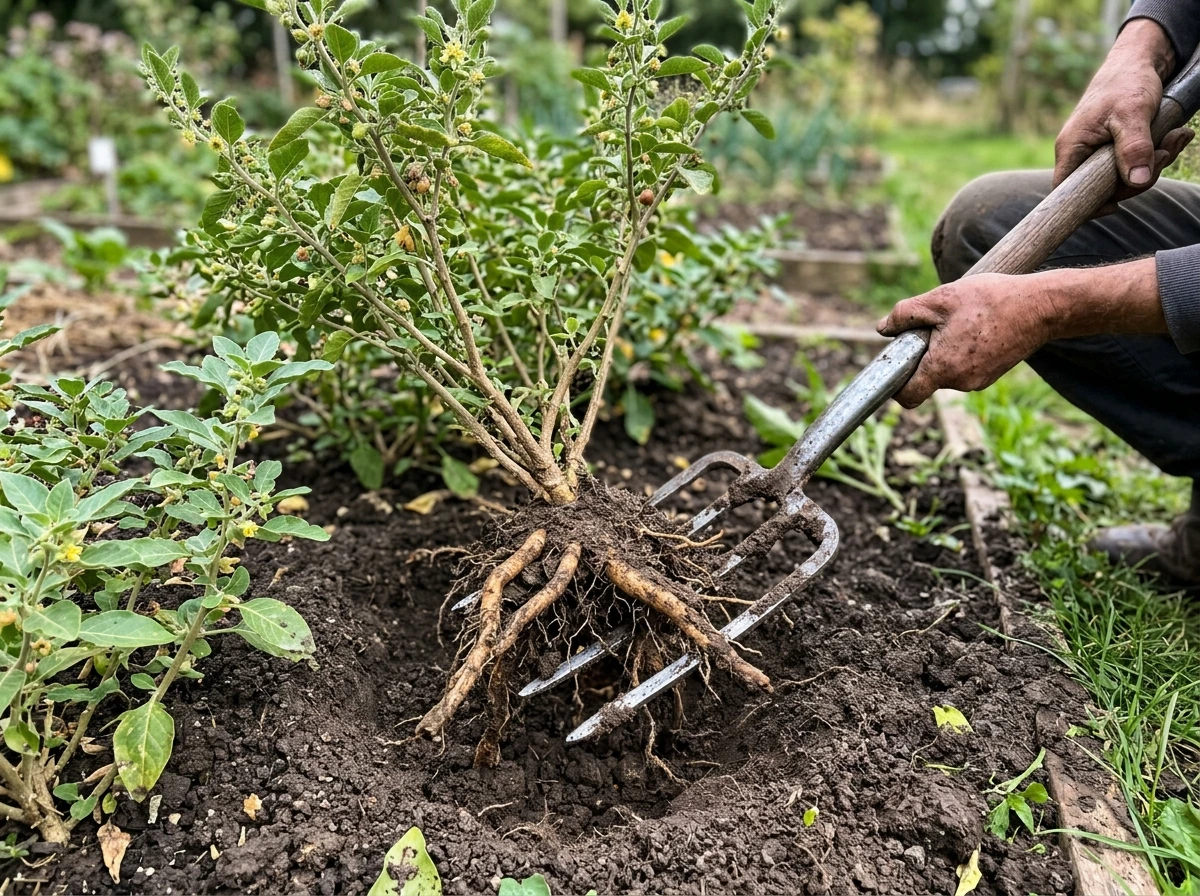
Plan to harvest 150 to 180 days after transplanting, so if you’re wondering, can you grow your own food in oregon, you’ll want to confirm your timing window. can you grow your own food in oregon A quality root at harvest should be roughly 7 cm (about 3 inches) long, 1 to 1.5 cm in diameter, brittle, and white inside when cut. That's the benchmark for a well-grown ashwagandha root.
To harvest, loosen the soil deeply around the plant with a garden fork (go at least 12 inches deep to avoid snapping the taproot), then carefully lift the whole plant. Once you have it out, cut the stem about 1 to 2 cm above the root crown to separate the root from the aerial parts. Shake off excess soil, but don't wash the roots if you're planning to dry them, as moisture slows the drying process.
Drying and Storing
For drying, the most effective method is low-heat drying in an oven or food dehydrator set between 104°F and 140°F (40°C to 60°C). Slice thicker roots lengthwise to speed drying time. You can also air-dry in a warm, well-ventilated space out of direct sunlight, though this takes longer and works better in low-humidity climates. Roots are fully dry when they snap cleanly rather than bending. Once dry, store them in an airtight glass jar away from light and heat. Properly dried and stored ashwagandha root keeps well for a year or more.
Container vs. In-Ground: How to Decide Based on Where You Live
The straightforward rule: if you're in zone 9 or above, plant in the ground. If you're in zones 6 through 8, you can try in-ground but keep an eye on the calendar and your first fall frost date, and be prepared to harvest before a hard freeze hits. If you're in zone 5 or colder, containers are your best bet, period.
For container growing, choose a pot at least 12 to 15 inches deep and wide to give the taproot room to develop. A five-gallon container is a reasonable minimum; larger is better. Use a well-draining potting mix and consider adding perlite or coarse sand to improve drainage. The advantage of containers is control: you can start them indoors in late winter, move them outside when temps warm up, and bring them back in before frost threatens in fall. This strategy effectively extends your growing season by six to eight weeks on each end, which is often the difference between getting harvestable roots and not.
For growers in short-season states like Minnesota, Michigan, or Vermont, a heated greenhouse or sunroom is the most reliable setup. Keep daytime temps around 70°F to 80°F and nighttime temps above 64°F, and you can grow ashwagandha essentially as a year-round indoor plant. It won't be as vigorous as a field-grown plant in Arizona, but you can still get to harvestable roots with patience.
Before you plant, check two things specific to your location: your average last spring frost date and your average first fall frost date. Count the days between them. If that number is 150 or more, you have a viable in-ground window, though you'll still need to add six weeks of indoor seed-starting time before that window opens. If it's under 150 days, containers with an indoor start aren't just an option, they're the only way you're getting to harvestable roots. Sites like the USDA Plant Hardiness Zone Map and your local extension office can give you exact frost dates for your zip code, which is worth checking before you commit to a planting strategy.
FAQ
Can you grow ashwagandha from seed and still count on harvestable roots?
Not reliably. Seed dormancy and low, erratic germination are common, so if you need a predictable stand for harvest timing, buy transplants or plan to sow extra seeds (often 2x the plants you want) and keep the soil in the 68°F to 77°F germination band.
What container size is big enough if I’m growing ashwagandha in pots?
Pot size matters more than most people expect. For taproot crops, use at least a 12 to 15 inch deep and wide container, with 5 gallons as a practical minimum. If the root runs out of space, plants may survive but root size and harvest quality usually suffer.
How do I reduce transplant shock when growing ashwagandha?
Yes, but aim to protect the plant from drying stress before and after transplant. Hardening off over 7 to 10 days helps, then water deeply to settle soil, and follow the “dry top two inches” rule. Avoid fertilizing heavily right after transplant, since extra nitrogen can reduce root development.
If my soil is acidic, should I still grow ashwagandha without changing it?
Use the soil pH as your deciding factor, not just the fertilizer schedule. In acidic native soils, skipping lime can lead to nutrient lockout and weak growth, even if you add compost. A simple county extension soil test can tell you whether you actually need to raise pH to the slightly alkaline range.
Can I leave ashwagandha outdoors through winter in colder regions?
Do not. Ashwagandha is frost-sensitive, and a hard freeze can kill the aboveground plant and potentially damage or ruin the roots. In zone 6 and colder, bring containers indoors before first frost, and for in-ground beds, plan to harvest before a hard fall freeze.
What temperature matters most for getting harvestable ashwagandha roots?
Aim for consistent frost-free timing, not just average warmth. If nights frequently drop below 50°F, growth can stall and you may miss the 150 to 180 day root window. In borderline seasons, use a lightweight row cover only as a short-term buffer, but count it as temporary protection, not a guarantee.
Will grow lights work if my indoor conditions are too shady for ashwagandha?
You can, especially if you are getting full sun outdoors but not enough indoors. However, even with grow lights, temperature and air circulation still matter. Place the plant so it receives strong light daily, and avoid tight corners where humidity can rise and fungal issues show up.
How do I know if I’m watering too much when growing ashwagandha in humid weather?
Overwatering is the most common failure mode. If the top two inches are still moist, wait, and prioritize drainage (raised beds or added perlite/coarse sand). If you suspect root rot, stop watering immediately and improve drainage, because once rot starts it can progress quickly.
Can I harvest early to get smaller roots, or should I wait the full timeframe?
Yes, but do it carefully. You generally want plants to stay in the ground or pot long enough to build a taproot, then harvest around the 150 to 180 day mark after transplant. If you harvest early, roots may not meet quality benchmarks (length, diameter, and dryness behavior).
How should I use mulch on ashwagandha without causing problems?
Mulch helps with weeds and moisture, but keep it from smothering the stem area. Use a 2 to 3 inch layer around the base, keep mulch a bit back from the crown, and remove or refresh it if it stays constantly wet, since damp mulch can worsen rot risk.
Is a greenhouse or sunroom worth it if my outdoor season is slightly too short?
It’s possible, but think of it as a short-term climate extension tool rather than a replacement for season length. A heated greenhouse or sunroom can help you maintain warm nights and protect from frost, which is the key to hitting the root timeline.
How can I tell if my dried ashwagandha roots are stored correctly?
Store it with low exposure to light, heat, and moisture. Use an airtight glass jar and keep it in a cool, dark location. If you notice any moisture or odor change, discard, since improperly dried roots can degrade even if they were initially dry to the touch.
Grow marshmallow plant at home: soil, sun, timing, seed vs root steps, harvest for candy, plus US zone feasibility.
Step-by-step guide to grow catnip indoors or outdoors in the US, with light, soil, watering, and cat-safe harvesting tip
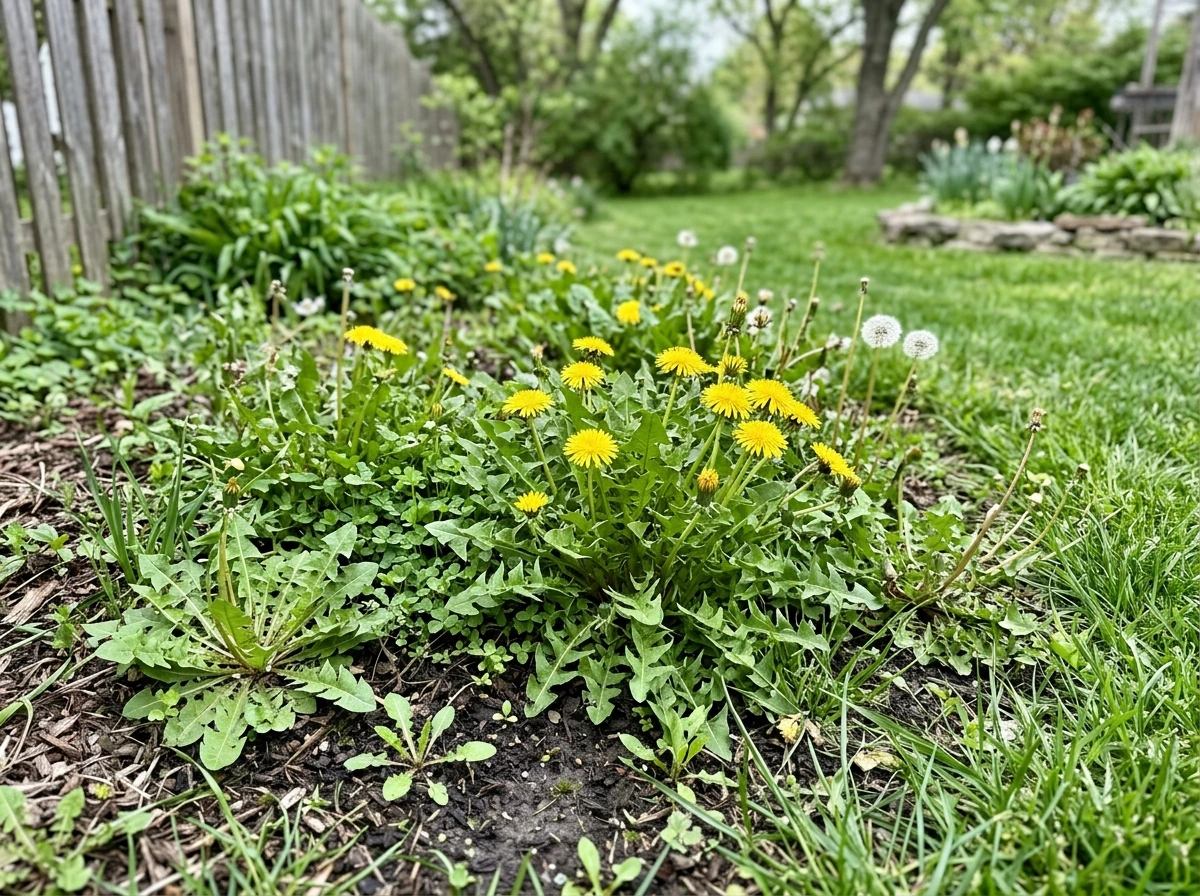
Yes, grow dandelions at home in the US with simple seed or transplant steps, care tips, and harvest guidance.