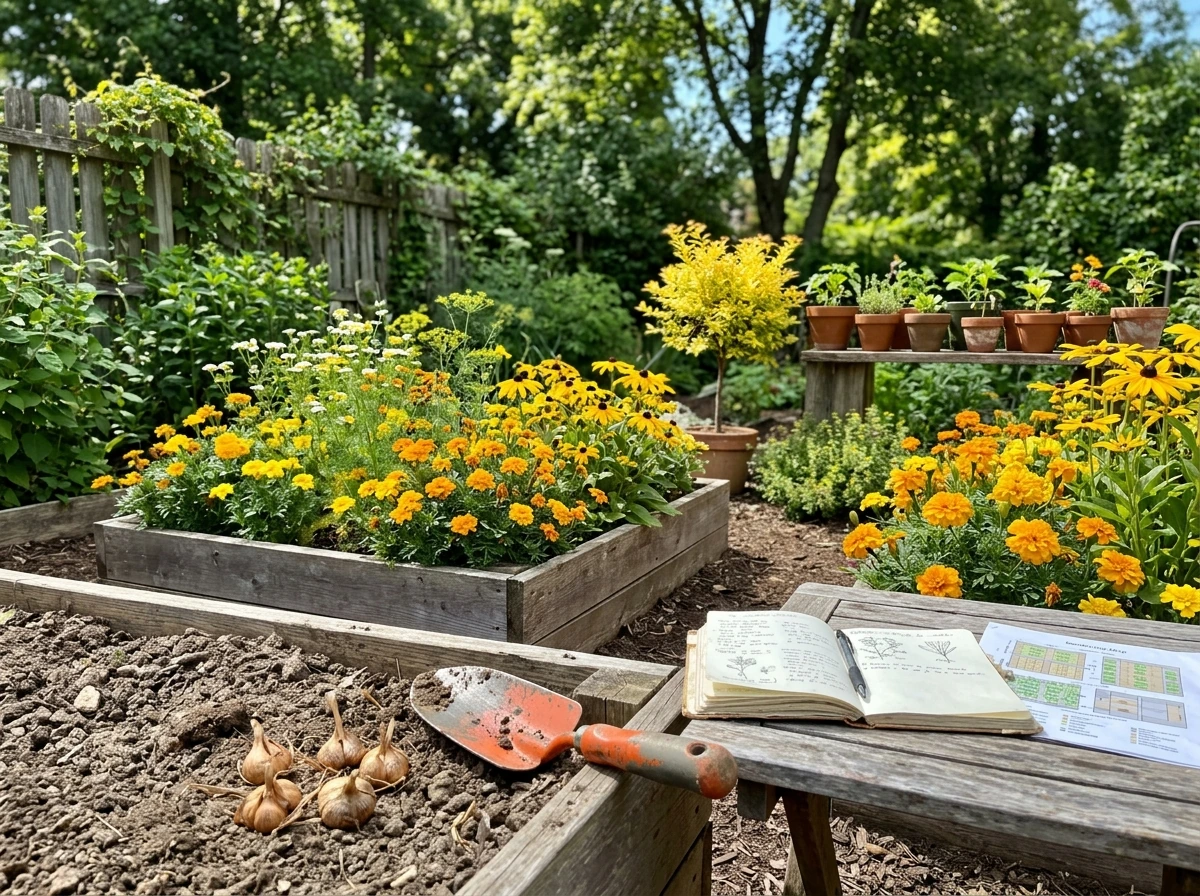
The good news is the Oregon State University Extension Service has done a tremendous amount of the legwork already. Their vegetable gardening publication (EC 871) organizes the state into four practical growing regions, and their planting calendars are tailored to those regions specifically. This guide pulls from that framework and adds practical context to help you figure out exactly what you can grow and when to plant it.
Find your growing constraints (zone, frost dates, region, microclimate)
Before you order seeds or till a bed, you need to know three things: your USDA hardiness zone, your frost dates, and which OSU growing region you fall into. These three data points will tell you more about what's possible in your garden than anything else.
USDA hardiness zones in Oregon
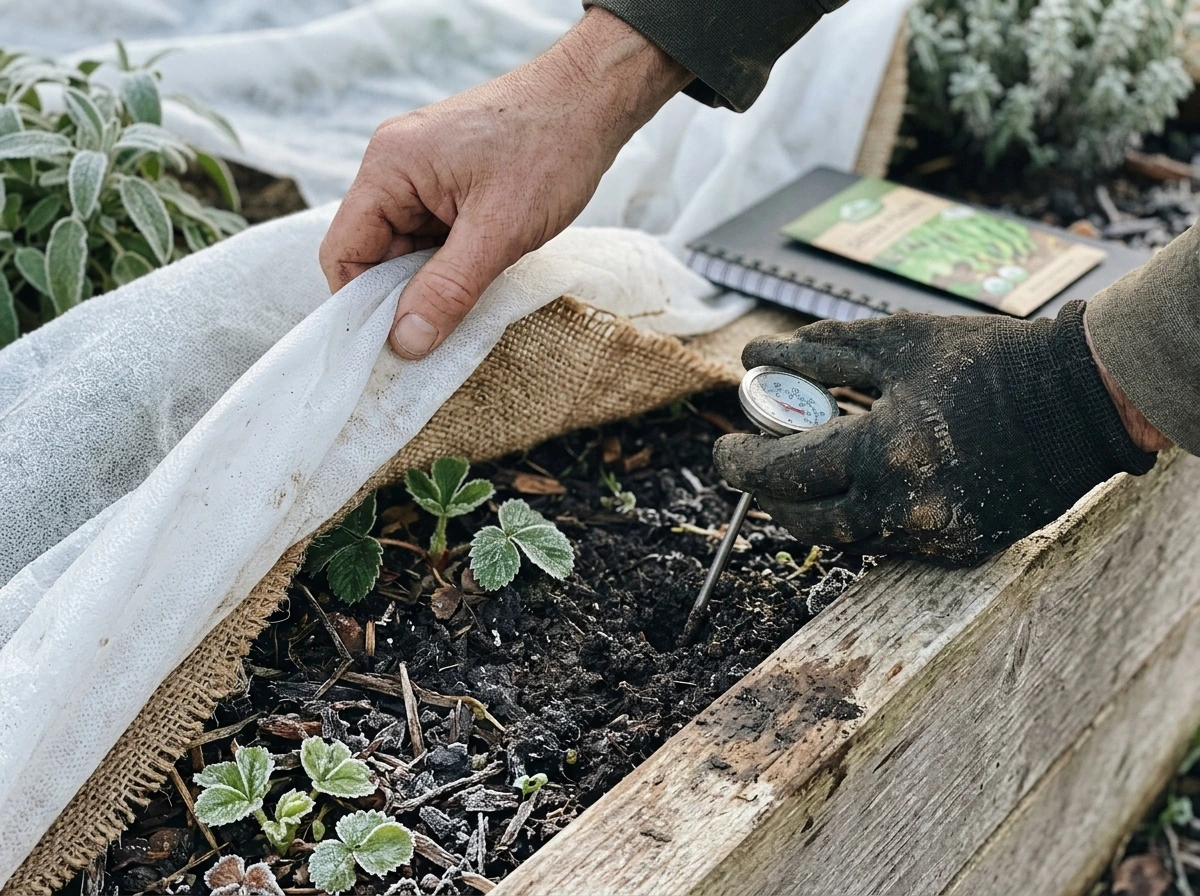
The 2023 USDA Plant Hardiness Zone Map updated several Oregon locations by roughly half a zone, which reflects about a 5°F shift in average minimum winter temperatures. Portland moved from 8b to 9a, Medford shifted from 8a to 8b, and Hood River moved from 7a to 7b. Bend and La Grande stayed at 6b. These aren't just technical details: a zone 9a garden in Portland can overwinter crops that would freeze out in Bend's zone 6b. If you haven't looked up your current zone since 2023, do it now using the USDA's official map.
Frost dates matter more than zone for annuals
For vegetables and annual food crops, frost dates are often more useful than zone. Zone tells you about winter survival; frost dates tell you when you can plant and when you need to wrap up your season. Portland-area growers have later fall frosts and earlier spring planting windows than Bend, where hard frosts arrive much earlier in fall. Locations like Salem and Bend have meaningfully different last spring frost and first fall frost dates, so always look up your specific city rather than assuming your regional neighbor's timing applies to you.
OSU's four Oregon growing regions
OSU Extension organizes Oregon into four vegetable-planting regions, and this framework is genuinely useful for timing decisions. Knowing your region tells you when to direct sow, when to transplant, and how to adjust if you're between zones.
- Coast (Astoria to Brookings): Mild, wet, and often cloudy. Long frost-free windows but limited heat accumulation.
- Western valleys (Portland to Roseburg): The most productive and forgiving region. Warm summers, mild winters, and a solid 150 to 200-plus frost-free days in many areas.
- High elevations, mountains, and plateaus (central and eastern Oregon): Short growing seasons, hard frosts, and wide temperature swings. Planning around frost is critical here.
- Columbia and Snake valleys (Hermiston, Pendleton, Ontario): Hot summers, cold winters, and lower rainfall. Great for heat-loving crops but requires irrigation.
Don't overlook your microclimate
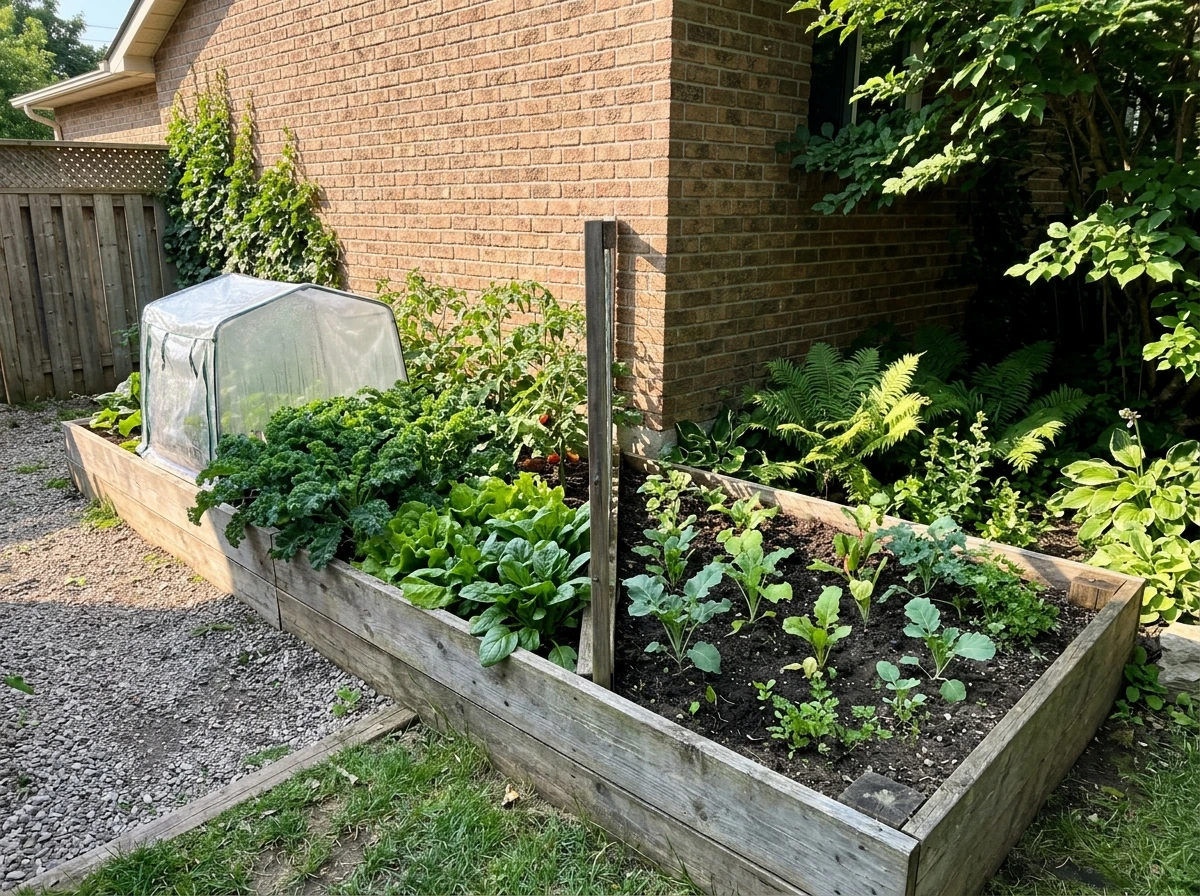
Oregon microclimates can shift your effective growing conditions by a surprising margin. A south-facing slope in the Willamette Valley can run several degrees warmer than a north-facing low spot just 200 yards away. Coastal valleys sheltered from the marine wind act more like western valley conditions than true coast. If you're near a large body of water, a hillside, or a dense urban area, factor that in. Walk your property at different times of day and note where frost settles, where it's sheltered, and where the sun hits longest. That's your best microclimate map.
What foods grow best in Oregon: beginner crop lists by area
Oregon's regional diversity means no single crop list applies everywhere. Below are reliable, beginner-friendly crops organized by the four OSU growing regions, along with notes on what makes each region unique.
Coast (Astoria to Brookings)
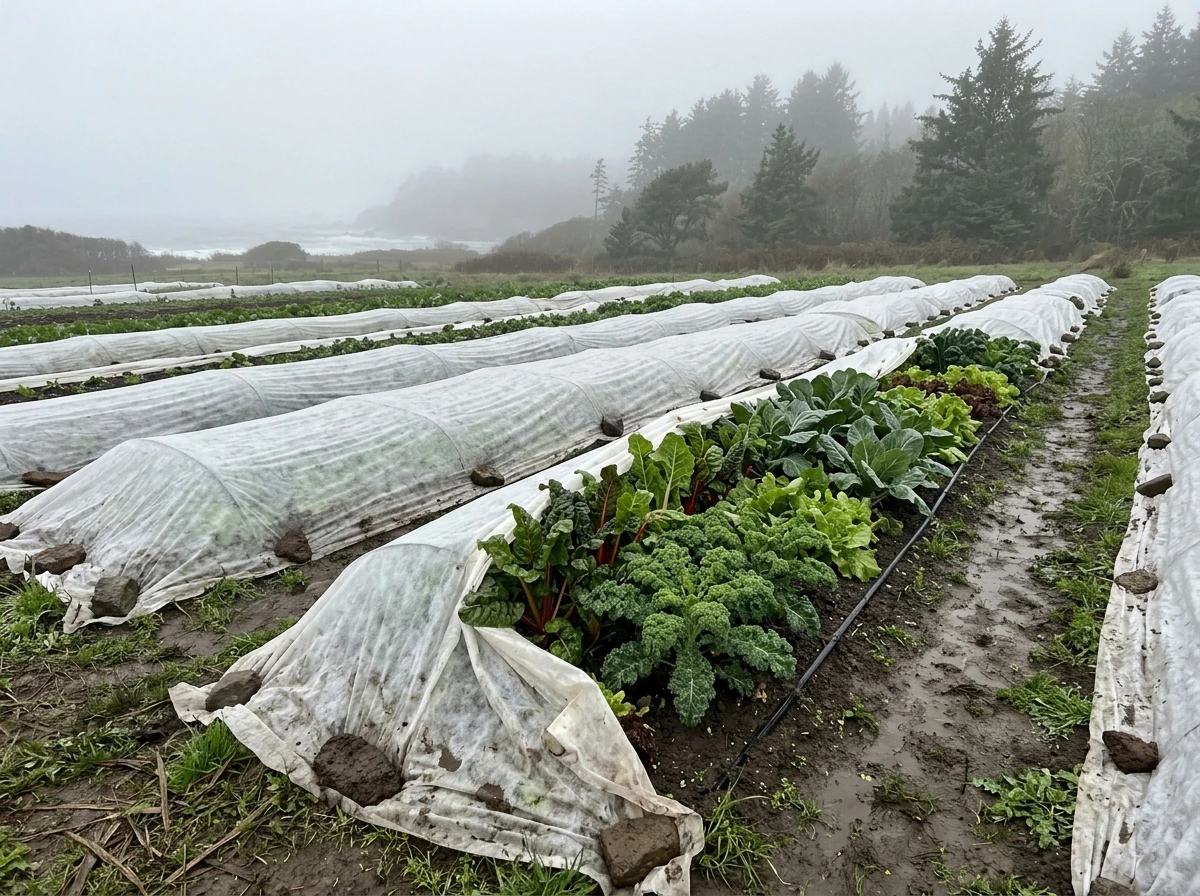
Coastal Oregon is cool and moist almost year-round. You're not growing heat lovers like melons or peppers without serious season extension. But cold-hardy crops thrive here, and the mild winters make overwintering greens genuinely easy.
- Kale, chard, and collards (practically year-round)
- Lettuce and salad greens (spring, fall, and mild winters)
- Broccoli, cauliflower, and cabbage
- Beets and carrots
- Potatoes
- Herbs: parsley, cilantro, chives, mint
- Strawberries and blueberries
Western valleys (Portland to Roseburg, including Willamette Valley)
This is Oregon's sweet spot for home food production. You get warm enough summers to ripen tomatoes and squash, mild enough winters to extend your season deep into fall and start early in spring, and enough rainfall that supplemental irrigation is modest compared to eastern Oregon. Almost any vegetable, berry, or fruit tree appropriate for USDA zones 8 to 9 will perform here.
- Tomatoes (choose varieties with shorter days to maturity for more reliable harvests north of Eugene)
- Summer and winter squash
- Beans (snap, pole, and dry)
- Peppers (with a warm spot and possibly row cover early in season)
- Cucumbers
- Corn (short-season varieties)
- Peas (spring and fall)
- Lettuce, spinach, arugula
- Broccoli, cabbage, kale, chard
- Garlic and onions
- Potatoes
- Strawberries, raspberries, blueberries, blackberries
- Apples, pears, and plums
- Herbs: basil, oregano, thyme, rosemary, dill, cilantro
High elevations, mountains, and plateaus (central and eastern Oregon)
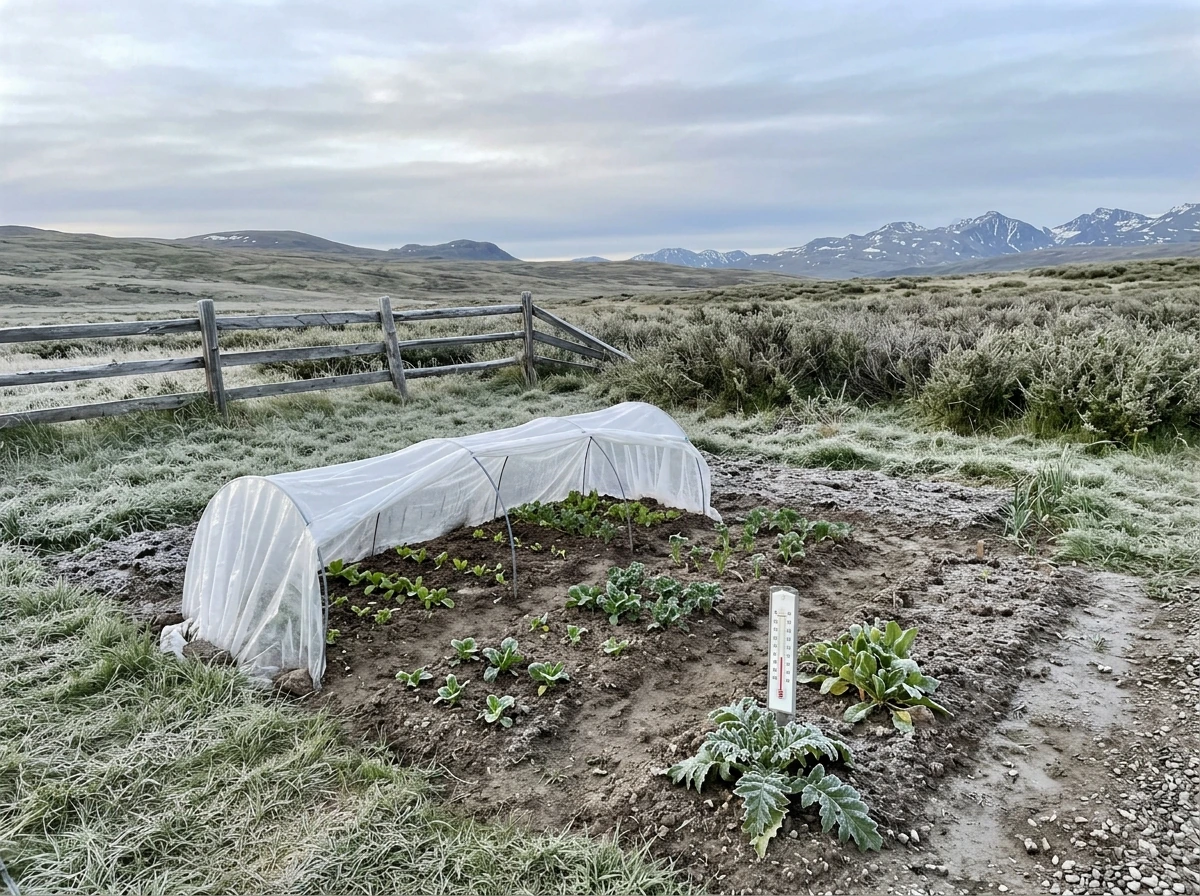
Shorter growing seasons and hard frosts are the defining constraints here. Bend's zone 6b means you have a real winter to contend with, and late spring frosts can catch you off guard. Focus on fast-maturing, cold-tolerant varieties and use season extension tools aggressively.
- Short-season tomatoes (e.g., Siletz, Stupice, Legend)
- Potatoes and root vegetables
- Kale, chard, spinach, and other cold-hardy greens
- Peas (spring planting)
- Beans (plant after last frost, choose 60-day varieties)
- Radishes, turnips, and beets
- Garlic (fall-planted)
- Herbs: thyme, chives, parsley
Columbia and Snake valleys (Hermiston, Pendleton, Ontario)
Hot, dry summers and cold winters make this zone great for heat-demanding crops as long as you have irrigation. OSU's planting guidance notes that growers in this region can often start crops like snap beans in mid-April or earlier. Medford-area gardeners specifically can plant about 7 to 10 days earlier in spring and extend about 7 to 10 days later in fall compared to western valley dates.
- Tomatoes and peppers (thrive in the heat)
- Corn, melons, and cucumbers
- Winter squash
- Onions and garlic
- Beans
- Root vegetables in spring and fall
- Asparagus (long-term perennial investment that pays off here)
Year-round strategy: planting calendar and succession planning
One of the biggest mistakes new Oregon gardeners make is treating their garden as a summer-only project. Oregon's mild winters, especially in the western valleys and coast, make near-year-round harvests completely achievable. OSU Extension has a specific year-around harvest planning document for the Willamette Valley, and the logic from it applies broadly to other mild-winter regions as well.
The key fact to build your calendar around: [75 percent of Oregon's average annual rainfall](/growing-figs-and-jicama/can-you-grow-food-in-antarctica) arrives between November and March, so you can time salt-related soil steps around the wet season and then work with drier conditions later on. If you’re wondering can you grow food in antarctica, the timing of moisture and temperature matters just as much. That means your soil is often too wet and cold for warm-season planting until late spring, but it also means your cool-season crops get free irrigation all winter. Work with that rhythm, not against it.
A seasonal rhythm for western valley growers
| Season | What to Plant or Harvest | Notes |
|---|
| Late winter (Feb–Mar) | Start seeds indoors: tomatoes, peppers, brassicas. Direct sow: peas, spinach, lettuce. | Soil is usually too wet to dig. Start in trays indoors. |
| Spring (Apr–May) | Transplant brassicas. Direct sow: carrots, beets, beans (after last frost). Plant potatoes. | Frost risk through mid-May in many areas. Watch weather. |
| Early summer (Jun) | Transplant tomatoes, peppers, squash. Direct sow successive lettuce and beans. | Soil warming is key. Use row cover if nights still cool. |
| Summer (Jul–Aug) | Harvest tomatoes, squash, beans, cucumbers, corn. Plant fall brassica starts. | Peak production. Plant fall crops by mid-July for good timing. |
| Fall (Sep–Oct) | Harvest winter squash and root crops. Plant garlic, overwintering greens, cover crops. | Extend with row cover. Plant garlic by end of October. |
| Winter (Nov–Jan) | Harvest overwintered kale, chard, leeks, carrots. Plan next season. | Minimal active growing. Focus on soil prep and planning. |
Succession planting is the tool that turns a good garden into a productive one. Instead of planting all your lettuce in one go and ending up with 20 heads at once, plant a short row every two to three weeks from March through September. Do the same with beans and carrots. OSU's monthly garden calendars are a practical resource for keeping your succession schedule on track, though they note the recommendations don't apply equally across all Oregon regions, so adjust for yours.
Common Oregon challenges and how to prevent problems
Every region has its garden headaches. Oregon's are predictable enough that you can plan around most of them before they become problems.
Slugs: Oregon's most consistent pest
Oregon has many slug species and a couple of snail species, and if you garden in a wet part of the state, you will deal with them. OSU Extension identifies slime trails as the telltale sign of slug damage, which usually looks like ragged holes in leaves with no visible insect present. The practical approach: remove hiding places like boards, containers sitting directly on soil, and dense ground-level debris. Water in the morning so plant surfaces dry before evening, since slugs are most active at night on damp surfaces. Organic iron phosphate baits are effective and low-risk. Hand-picking at night with a flashlight works surprisingly well if you're consistent about it early in the season.
Fungal disease: powdery mildew and late blight
Oregon's wet winters and cool, damp springs create good conditions for fungal problems. Powdery mildew shows up on squash, cucumbers, and beans in summer. Late blight is the serious one for tomatoes and potatoes, and western Oregon's weather can bring it in August. The best defense is cultural: space plants for airflow, avoid overhead watering, and remove infected foliage immediately rather than composting it. Oregon Metro's guidance is direct here: dispose of infected plant material to avoid spreading disease. Resistant varieties are worth choosing for tomatoes in particular.
Deer and other wildlife
Deer pressure is real in suburban and rural Oregon. OSU Extension is direct about this: fencing is the most reliable protection when you need it. Their deer defense guidance outlines five strategies including physical barriers, repellents, and plant selection. If your damage is light and tolerable, no action may be necessary according to OSU's own guidance. If deer are wiping out your garden, an 8-foot fence or a double-fence system is the only truly reliable solution.
Variable spring weather and late frosts
Oregon springs can be deceptively warm in March and April, then drop back into frost territory in May. This catches new gardeners who transplant warm-season crops too early. Watch your specific location's frost date, not the regional average. Oregon Metro notes that many plants survive a mild frost around 30 to 32°F uncovered, but need protection during colder snaps. Keep row cover on hand through at least mid-May in most western valley locations, and later in higher-elevation areas.
Wet winters limiting soil access
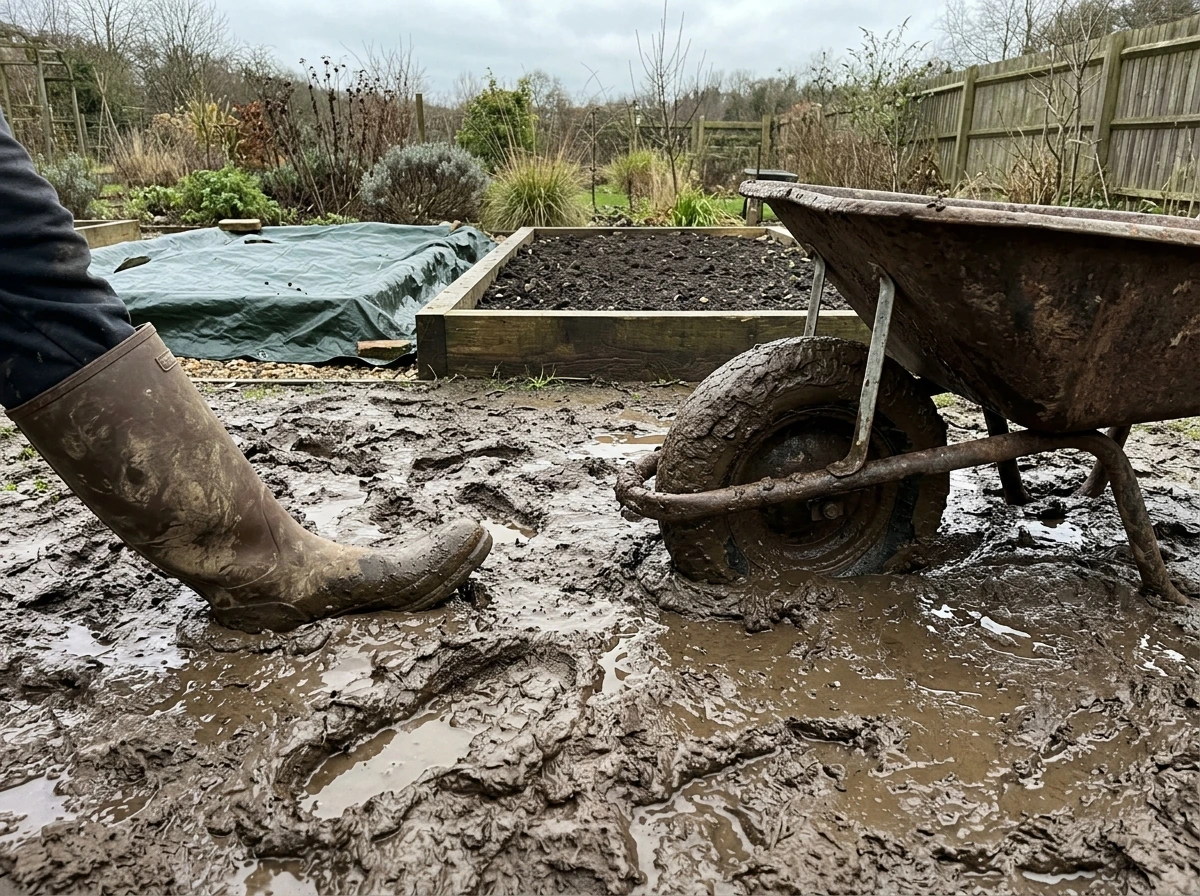
With 75 percent of rainfall arriving between November and March, your garden soil is often too saturated to work from late fall through early spring. Walking on wet clay compacts it badly. Raised beds are the practical fix here: they drain faster and warm up earlier, giving you weeks of additional growing time at both ends of the season.
The right infrastructure dramatically expands what you can grow in Oregon, especially if you're in a shorter-season area or dealing with heavy clay soil and wet winters.
Raised beds
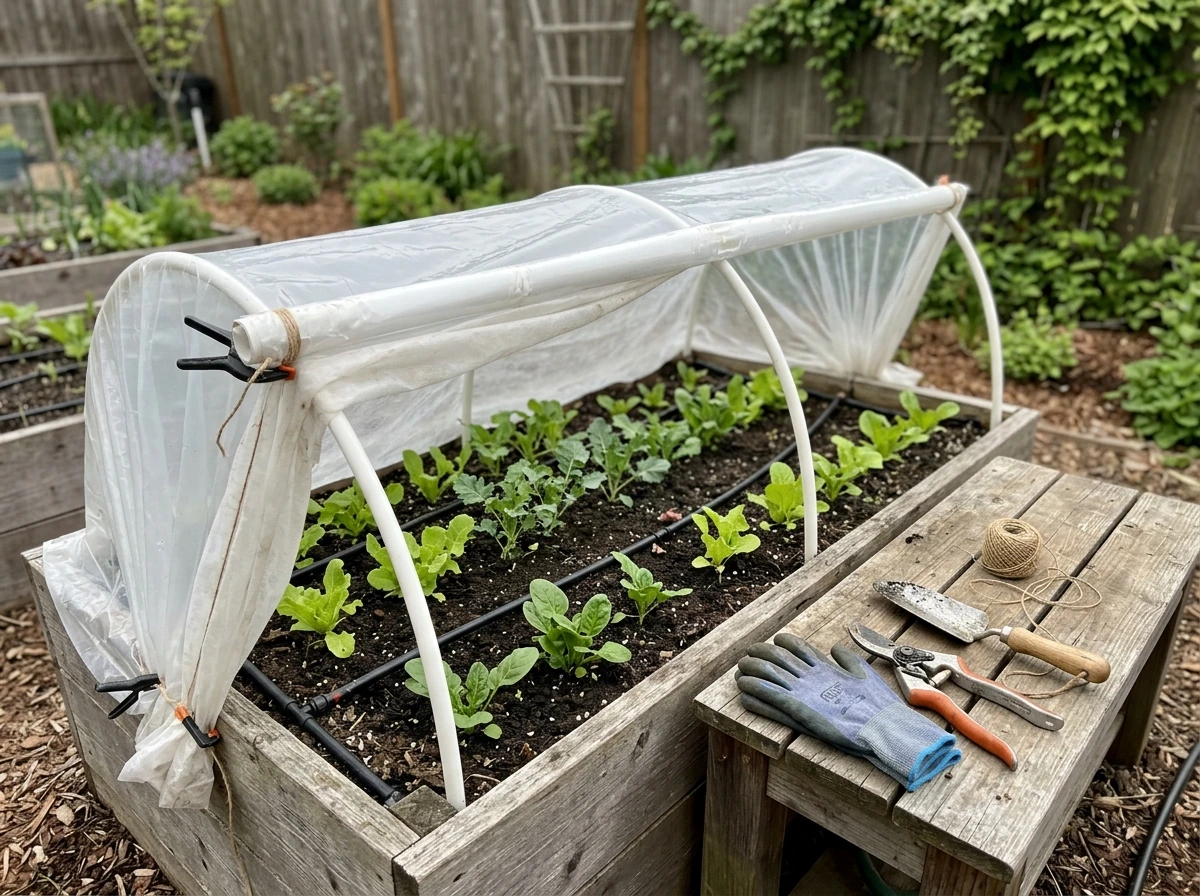
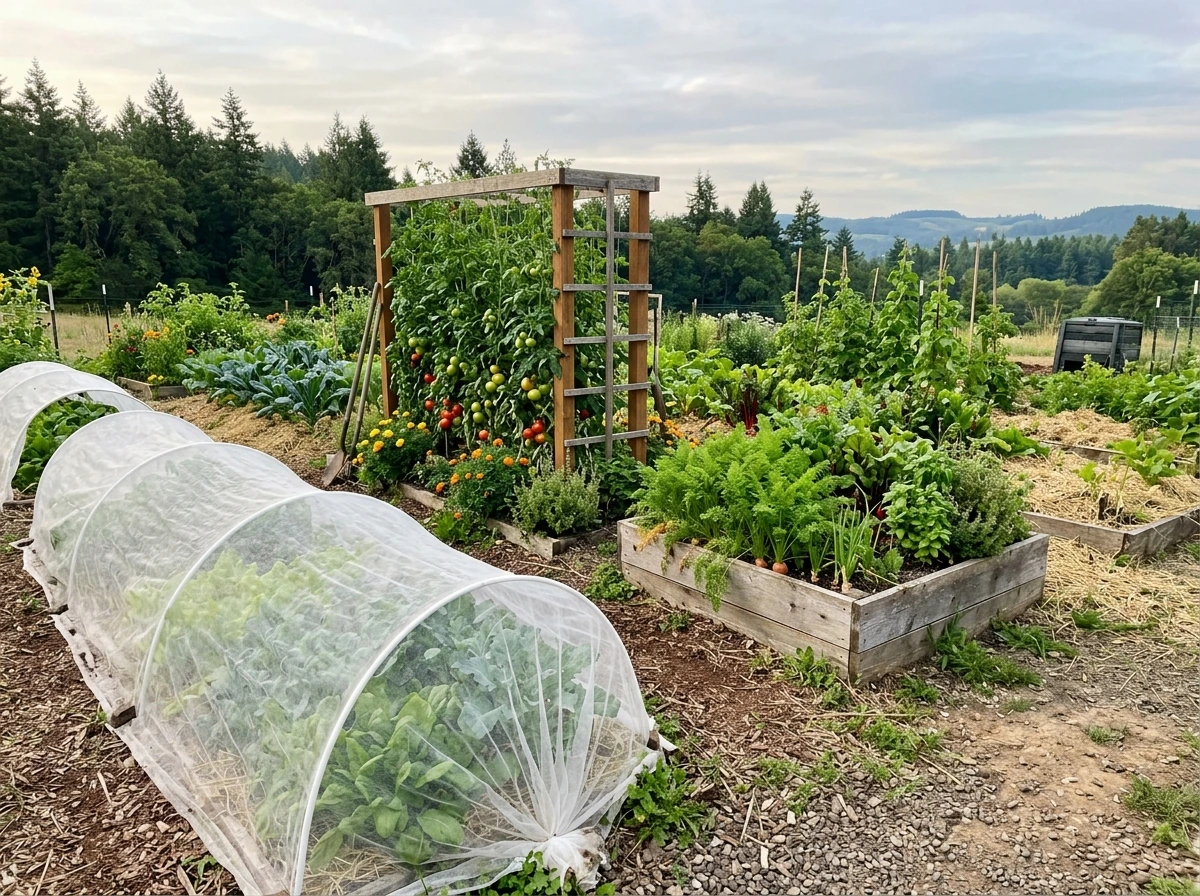
Raised beds are probably the single best investment for Oregon food gardening. They solve multiple problems at once: poor or compacted native soil, drainage in wet winters, and slow spring soil warming. A 12-inch deep raised bed filled with quality amended mix will be workable weeks before your native soil is ready. Standard 4-by-8-foot beds are easy to reach across without stepping in, and you can cover them with hoops and row cover to push the season further in both directions.
Containers
Containers work well for herbs, lettuce, strawberries, and even determinate tomatoes in smaller spaces. They're also easy to move under cover during late frosts. The tradeoff is that they dry out quickly in summer (you may need to water daily), and they have lower yield capacity than in-ground or raised beds. For balconies, patios, or renters, containers are often the only option and they work fine with realistic expectations.
| Tool | Cost Level | Best Use in Oregon | Key Limitation |
|---|
| Floating row cover | Low | Frost protection for transplants; slug barrier; extend fall harvest | Needs to be removed for pollination on flowering crops |
| Cold frames | Low to medium | Start seeds 4–6 weeks early; overwinter greens on the coast and western valleys | Fixed position; needs ventilation on sunny days |
| Cloches (individual) | Low | Protect individual transplants from late frost and slugs | Limited to small plants; labor-intensive at scale |
| Hoop houses (low tunnels) | Medium | Extend tomato/pepper season in western valleys; protect fall crops | Ventilation management needed in summer |
| Greenhouses (unheated) | Medium to high | Year-round growing potential; start seeds, overwinter crops | Initial cost; requires site planning |
For most Oregon gardeners, floating row cover is the place to start. It's cheap, flexible, and adds real weeks to your season at both ends. A set of wire hoops and a 50-foot roll of Agribon-19 row cover will handle frost protection and slug pressure on young transplants. Once you're comfortable with that, a simple low tunnel over a raised bed is the next logical upgrade, especially for tomatoes and peppers in the northern Willamette Valley and shorter-season areas.
Your next steps: choose varieties, start small, and build toward goals
If you're starting from scratch this season, don't try to grow everything at once. A focused first season builds real skills and tells you a lot about your specific microclimate. Here's a practical sequence to get moving.
- Look up your USDA hardiness zone and frost dates for your specific city or zip code. Use the 2023 USDA map and a local frost date resource to get current numbers.
- Identify your OSU growing region (Coast, Western valleys, High elevations, or Columbia/Snake valleys) and download OSU Extension's EC 871 vegetable gardening publication. It's free and specific to Oregon.
- Choose five to eight crops that match your region and your family's eating habits. If you're in the western valleys, start with kale, lettuce, snap beans, zucchini, and tomatoes. If you're on the coast, swap the tomatoes for more brassicas. If you're in Bend, prioritize fast-maturing varieties and plan around your shorter window.
- Set up at least one raised bed or a set of containers if you don't have in-ground growing space. Get it filled and ready before your planting dates arrive.
- Get row cover and hoops on hand before you need them. You don't want to be scrambling for supplies when a late frost is forecast.
- Contact your local OSU Extension Master Gardener program. They operate in most Oregon counties and offer free or low-cost advice tailored to your specific area. This is one of the most underused resources available to Oregon gardeners.
- Plan for succession. Mark your calendar to make small plantings of lettuce, beans, and carrots every two to three weeks rather than one big planting.
- At the end of your first season, note what worked and what didn't by variety and timing. Oregon growing is highly location-specific, and your own records will be your best guide over time.
Oregon rewards growers who pay attention to their specific conditions. The state has extraordinary agricultural potential across almost all of its regions, and the OSU Extension network has done serious work translating that potential into practical guidance for home gardeners. Oregon rewards growers who pay attention to their specific conditions. The state has extraordinary agricultural potential across almost all of its regions, and the OSU Extension network has done serious work translating that potential into practical guidance for home gardeners, can you answer “can you grow ashwagandha” for your exact spot and timing. Use those resources, match your crops to your region, and you'll be producing real food from your own land this season.