
Yes, you can grow food in Antarctica, but not the way you'd grow it anywhere else on Earth. Open-ground farming is essentially impossible there. What works is fully controlled indoor growing: sealed greenhouses, hydroponic or aeroponic systems, artificial lighting, and climate management from start to finish. The proof is already well-documented. The German EDEN ISS greenhouse near Neumayer Station III produced 268 kg of edible biomass in just 9.5 months in 2018, and the US McMurdo Station ran a hydroponic greenhouse from 1989 to 2011 that peaked at around 100 kg of fresh produce per month. So it works, but the system requirements are serious.
Can You Grow Food in Antarctica? What Works and How
Marcus Holloway
24 Mar 2026
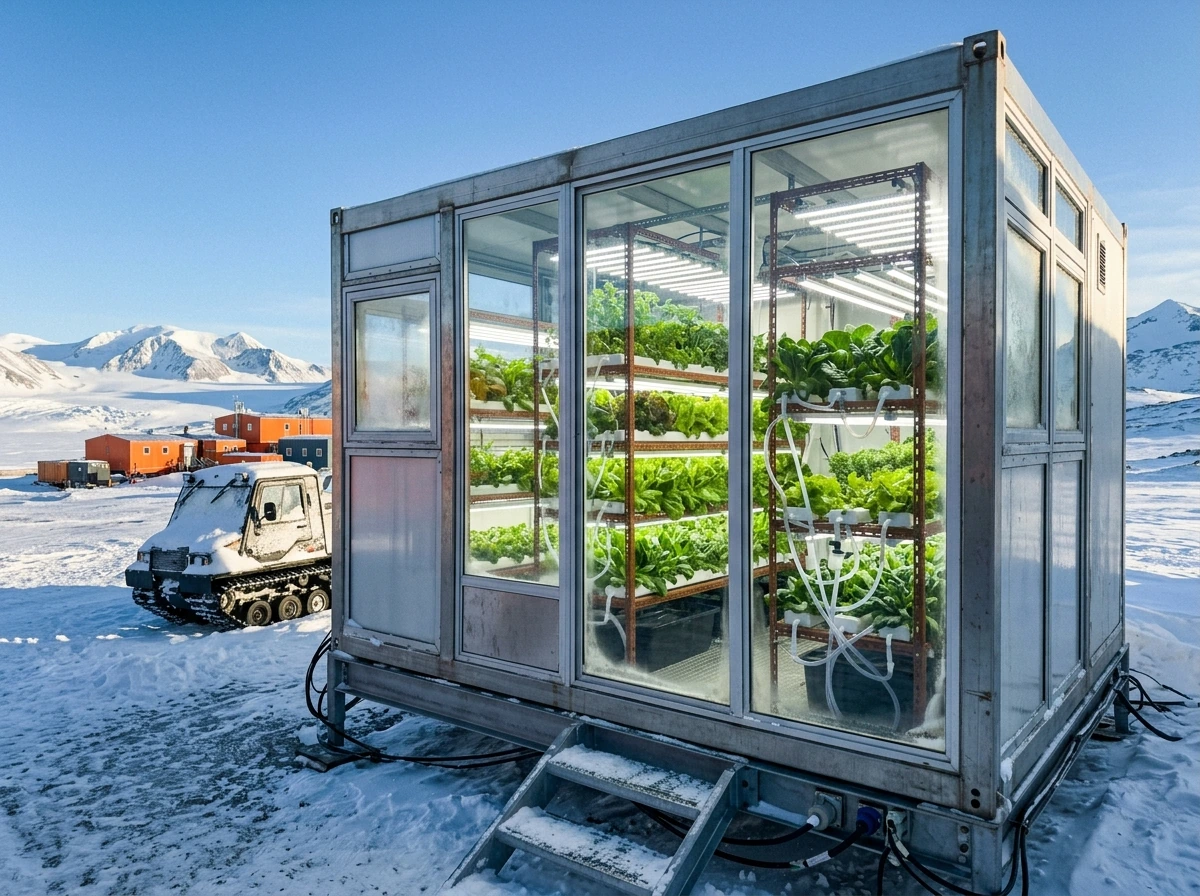
Why Antarctica makes growing food so hard
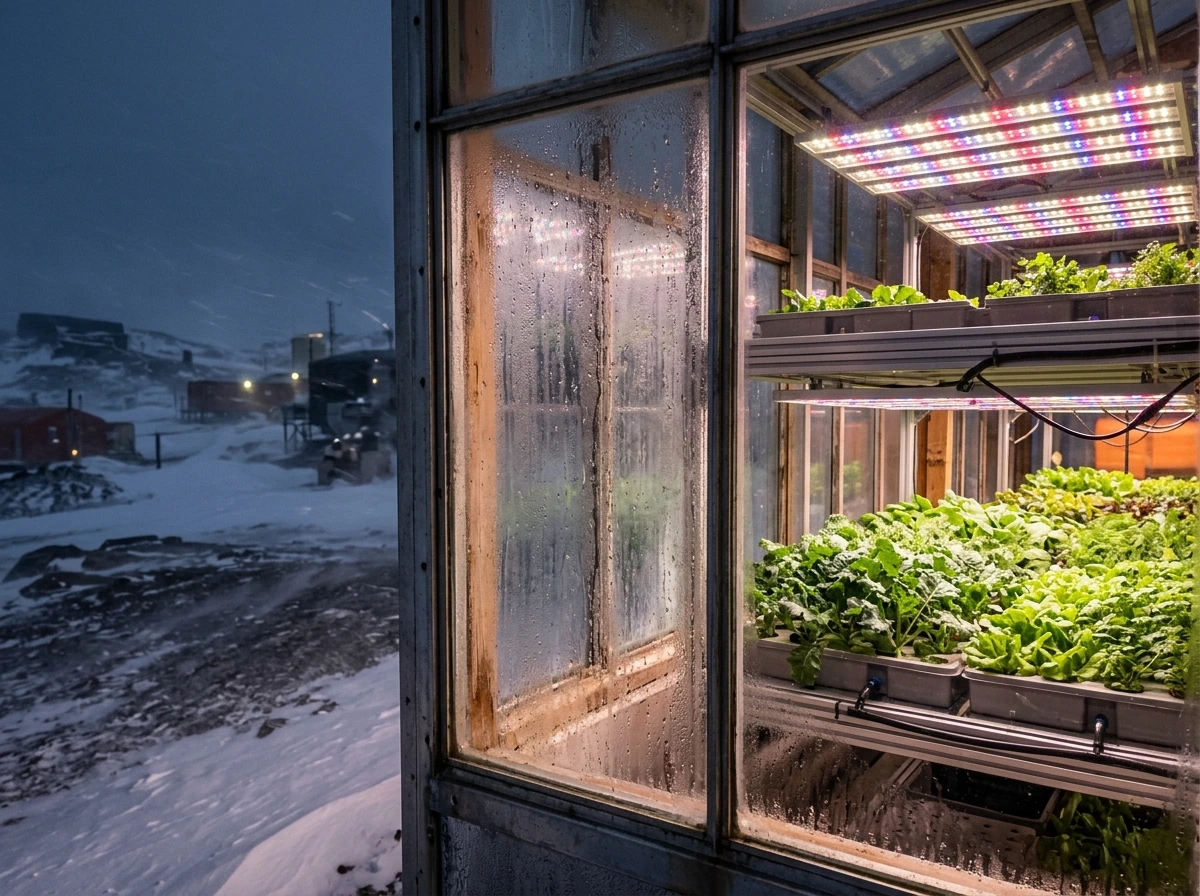
Antarctica is cold, dark, dry, and windy all at once, and each of those factors alone would kill most crops. Together they make outdoor cultivation a non-starter. Here's what you're actually up against:
- Temperature: The continent averages well below freezing year-round. Even during the Antarctic summer, surface temperatures rarely climb above 0°C at coastal stations and stay far colder inland. Nothing in a typical garden seed catalog is built for that.
- Light seasonality: Antarctica experiences months of near-total darkness in winter and 24-hour daylight in summer. Neither extreme is useful for consistent crop production without artificial management.
- Wind: Antarctica is the windiest continent on Earth, with katabatic winds capable of exceeding 300 km/h in gusts. Wind-driven cold, abrasion, and salt spray make any exposed growing surface hostile.
- Precipitation and drought: The continent is technically a polar desert, averaging only about 166 mm of precipitation per year in liquid-water equivalent. Most of that falls as snow or ice crystals, not usable irrigation water.
- Biosafety rules: The Antarctic Treaty's Protocol on Environmental Protection prohibits importing non-native species into the Treaty area without a permit. That means you can't just bring in random soil, seeds, or organisms without going through official channels.
The short version: every single input a plant needs, from warmth to light to water to nutrients, has to be artificially supplied and carefully managed. Nothing comes for free from the environment the way it does in even a harsh US growing zone.
What actually grows there (and what doesn't)
Crops that work
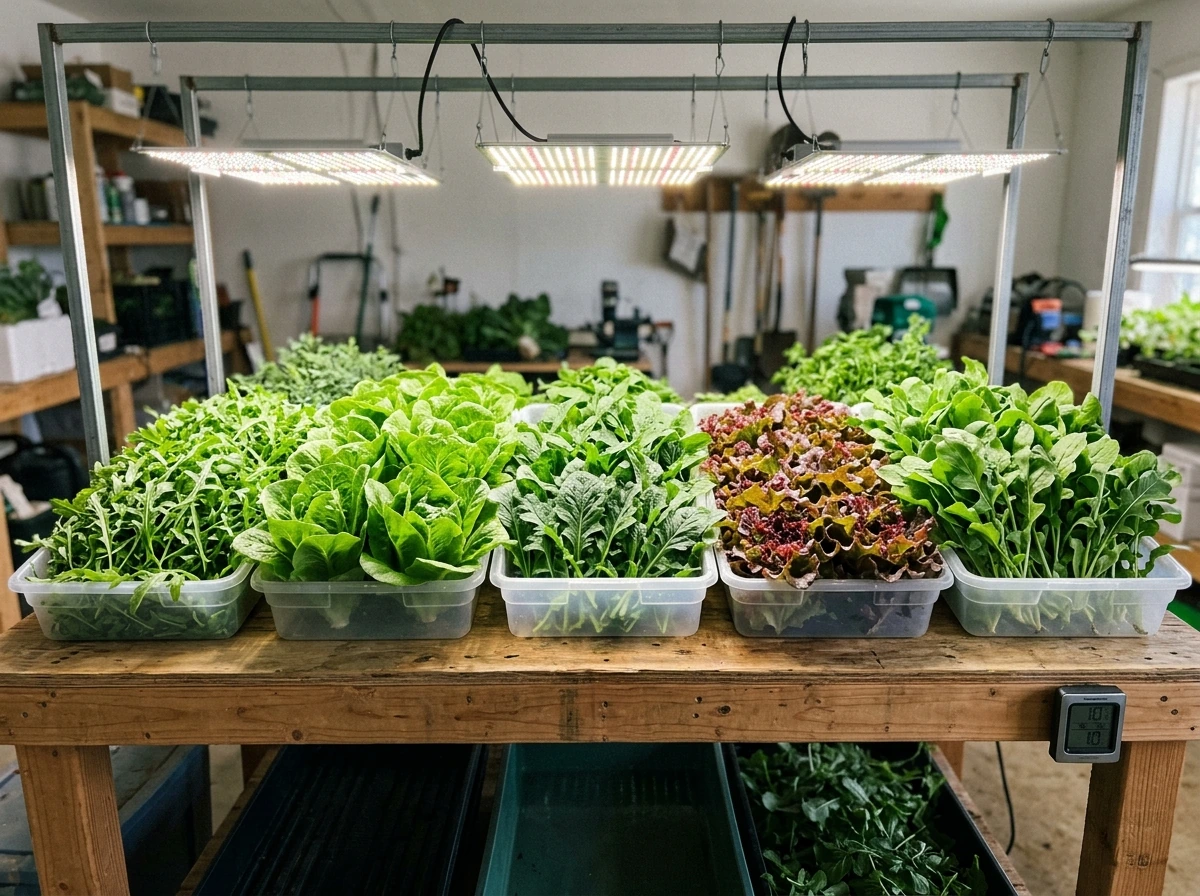
The crops that have succeeded in Antarctic greenhouse operations share a few traits: fast maturation, compact growth habits, tolerance for artificial lighting, and high yield relative to space used. The EDEN ISS 2018 results give the clearest breakdown. Out of 268 kg total harvest, lettuce and leafy greens accounted for the largest portion (roughly 117 kg), followed by cucumbers (67 kg), tomatoes (50 kg), and smaller amounts of herbs, radishes, and kohlrabi. McMurdo's hydroponic facility added spinach, arugula, chard, and peppers to that list.
Leafy greens are the clear winners in this environment. They grow fast, don't need pollination management the way fruiting crops do, and respond well to controlled light cycles. Herbs like basil and chives follow a similar logic, so if you’re wondering whether can you grow ashwagandha in a controlled indoor setup, the key is matching the crop to light and management needs. can you grow ashwagandha Compact fruiting crops like cherry tomatoes and cucumbers are doable but require more management, especially for pollination in a sealed space. can you grow gold
What won't work
Staple crops like wheat, corn, potatoes, and beans are essentially off the table for Antarctic growing, at least at any practical scale. They need too much space, too long a growing window, or too many environmental cues that are hard to replicate efficiently in a sealed system. Root vegetables like carrots and beets are possible in theory but use space inefficiently compared to leafy greens. Perennial trees and shrubs are obviously out. If your goal is caloric self-sufficiency, Antarctic greenhouse growing won't get you there with current technology. It supplements fresh produce for a small crew; it doesn't replace supply chains.
What about fungi?
Fungi are an interesting edge case. Antarctica does have naturally occurring fungal life, and edible mushrooms are theoretically cultivable in a controlled indoor environment since they don't rely on sunlight at all. However, there's no well-documented large-scale edible mushroom cultivation program at Antarctic stations in the published research. It's worth noting as a possibility for small-scale supplemental production, especially since mushrooms can grow on agricultural waste substrates, but it's not yet a standard part of Antarctic food production systems.
How Antarctic food growing actually works
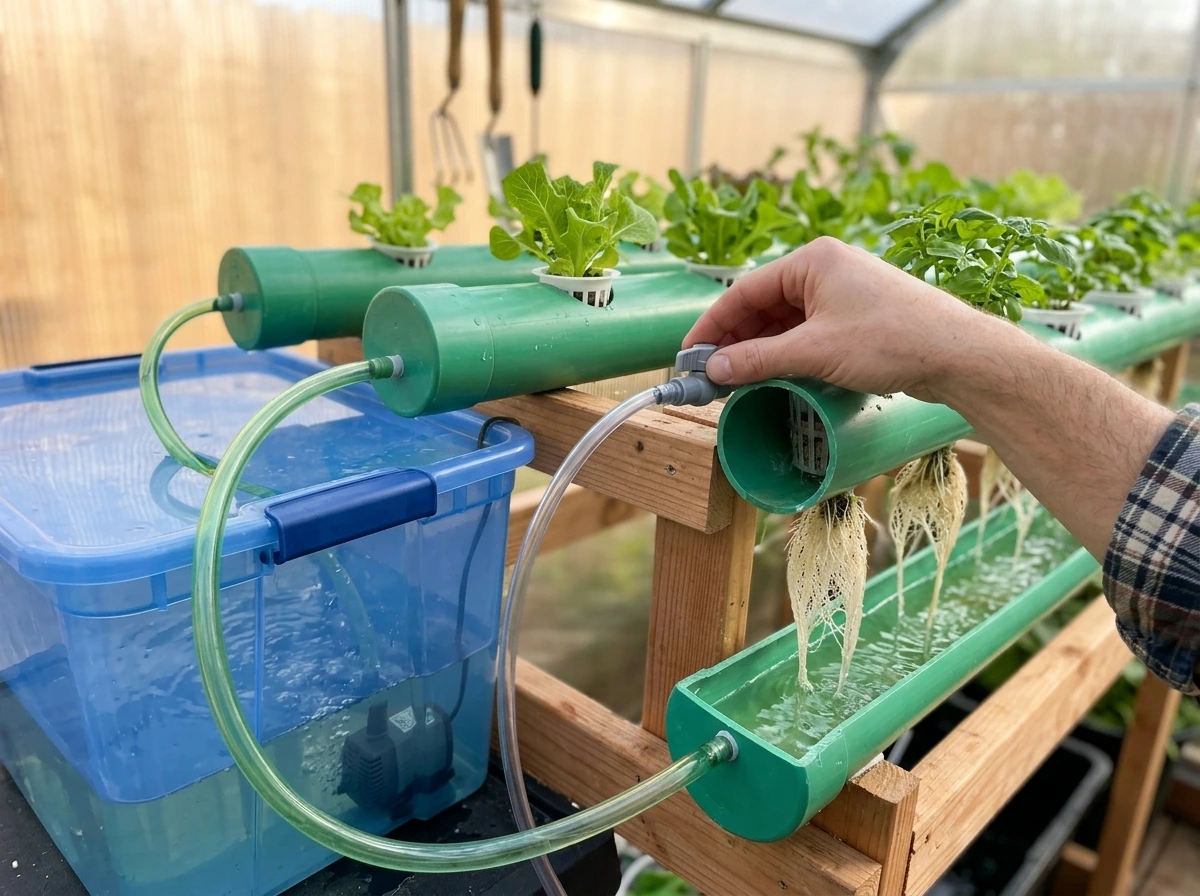
Both EDEN ISS and McMurdo took a controlled-environment approach, but with different techniques. McMurdo used hydroponics (roots suspended in nutrient-rich water solution). EDEN ISS went further with aeroponics: seeds are started in rock wool mats, and the hanging roots are misted with a nutrient solution on a timed schedule rather than submerged. No soil involved in either case.
EDEN ISS's environmental setpoints give you a clear picture of what 'controlled' actually means in practice. The growing area was maintained at 21°C during the light period and 19°C during the dark period, with relative humidity held at 65%. CO2 was actively enriched to 1,000 ppm (well above ambient outdoor levels of roughly 420 ppm) to accelerate plant growth. Each plant cultivation tray had its own independently controllable LED lamp, allowing precise adjustment of light spectrum and intensity per crop. The photoperiod was set to 15 hours of full illumination per day, with one hour of reduced intensity (50% of normal) before and after the main light period as a dawn/dusk simulation.
Nutrient solution management in EDEN ISS was equally precise. Electrical conductivity (EC) in the aeroponic tanks was tightly monitored, with setpoints around 2.2 mS/cm and 3.5 mS/cm depending on crop stage, and solution temperatures held steady at approximately 20°C. This level of precision isn't optional: in a sealed aeroponic system with no soil buffer, small swings in nutrient concentration or pH can stress or kill plants quickly.
Bringing this home: what Antarctica-level constraints mean for US growers
If you're reading this because you have a short growing season, brutal winters, or a location with limited light (think northern states, high-altitude areas, or heavily shaded lots), the Antarctica experience actually gives you a useful roadmap. You don't need the full complexity of an EDEN ISS setup, but the same core principles apply.
The practical translation for a US home grower dealing with Antarctic-style constraints (extreme cold, little light, short outdoor season), for example, if you’re asking can you grow your own food in oregon, is to move production indoors and control the key variables. Full-spectrum LED grow lights, a simple deep-water culture hydroponic system, and a temperature-controlled space get you most of the way there. You can grow lettuce, spinach, herbs, and even compact tomatoes year-round in a basement, garage, or spare room, regardless of what's happening outside. If you're curious about what specific crops work best under short-season or low-light conditions, that's exactly the kind of question this site's regional grow guides dig into, whether you're in Oregon, Minnesota, or anywhere in between.
The biggest takeaway from the Antarctic experiments is that leafy greens and herbs give you the best return on energy and space investment. If you're energy-constrained (running grow lights off solar or paying high electricity bills), focus there first before attempting tomatoes or cucumbers, which need more light, more space, and more hands-on management.
Setting up the actual system: power, water, soil vs. soilless, and pests
Power
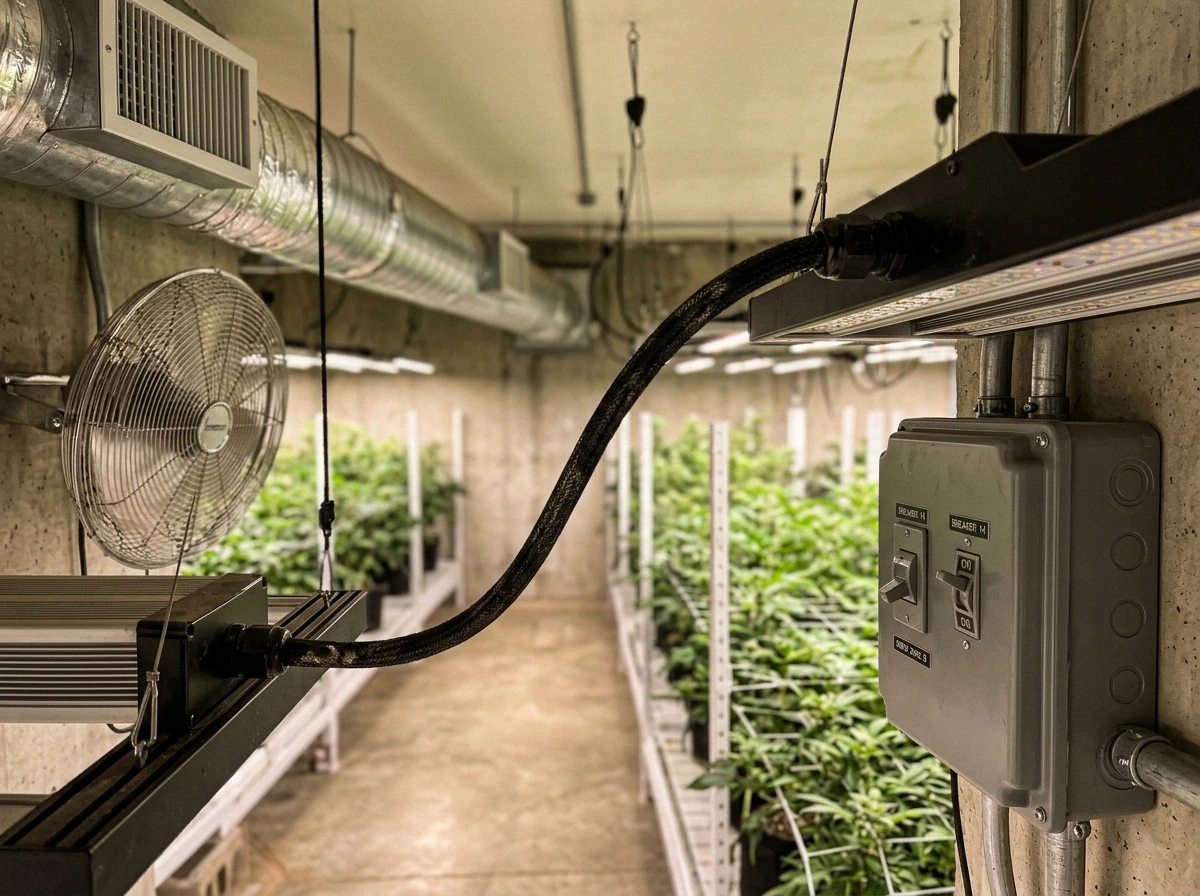
Energy is the single biggest constraint in Antarctic growing, and it's significant at home too. LED lighting, HVAC, and pumps all run continuously. In Antarctica, electrical energy demand data for greenhouse facilities is described in research as scarce, which tells you these operations are custom-engineered rather than off-the-shelf. At home, a small 4x4 ft hydroponic setup with LED lighting runs roughly 200 to 400 watts continuously, which adds up. High-efficiency LEDs are non-negotiable if you want to keep operating costs reasonable.
Water
In Antarctica, water is either melted from snow/ice or stored. In a hydroponic or aeroponic system, water recirculates through the system, making it far more efficient than soil-based irrigation. At home, a recirculating hydroponic setup uses a fraction of the water of a conventional garden. You'll still need to top off the reservoir regularly and flush and replace the nutrient solution every two to three weeks to prevent salt buildup.
Soil vs. soilless
Antarctic operations avoid soil entirely, and for good reason: soil introduces uncontrolled microbiology, is heavy to transport, and is hard to sterilize. In EDEN ISS, the aeroponic system was specifically noted as reducing the risk of introducing soil microorganisms into a controlled environment. For home growers in challenging climates, hydroponics or aeroponics give you more control and faster growth than soil, but they also require more attention to pH and EC. If you want something lower-maintenance, a peat or coco coir-based media in a passive drip system is a reasonable middle ground.
Nutrients
In a sealed soilless system, all nutrition comes from a prepared nutrient solution. You'll need a basic hydroponic nutrient mix (nitrogen, phosphorus, potassium, and micronutrients), a pH meter, and an EC meter. Target pH around 5.8 to 6.2 for most leafy greens and herbs. EC targets vary by crop and growth stage, but 1.5 to 2.5 mS/cm covers most leafy greens, while fruiting crops like tomatoes can handle up to 3.5 mS/cm, which matches what EDEN ISS ran.
Pests
Antarctica's isolation actually helps with pest management: common garden insects simply don't survive outdoors there, so the greenhouse is essentially a clean room. EDEN ISS's aeroponic, soil-free setup also minimized fungal and bacterial soil pathogens. At home, an indoor sealed growing space has similar advantages over an outdoor garden, but you can introduce pests through plant material or air gaps. Inspect any transplants carefully, keep air intake filtered, and use yellow sticky traps to catch early infestations.
Matching your setup to your actual goal
| Goal | Scale | Recommended approach | Realistic crops | Key challenge |
|---|---|---|---|---|
| Fresh herbs and salads for yourself | Small (2 to 4 sq ft) | Basic deep-water culture or kratky hydroponics, one LED panel, no CO2 enrichment needed | Lettuce, basil, spinach, chives, arugula | Keeping temps stable and lights on a consistent schedule |
| Year-round produce for a household | Medium (20 to 50 sq ft) | Multi-tier hydroponic rack, high-output LEDs, basic HVAC, pH and EC monitoring | Leafy greens, herbs, cherry tomatoes, peppers, cucumbers | Energy costs, pollination of fruiting crops, nutrient management |
| Research or expedition-scale operation | Large (100+ sq ft, containerized) | Full CES: aeroponics, CO2 enrichment to 1000 ppm, independent per-tray LED control, automated climate and nutrient dosing | Full range including tomatoes, cucumbers, kohlrabi, radish, lettuces | Power supply, biosafety compliance, technical staffing, system redundancy |
For most home growers, the small-to-medium scale is the sweet spot. You don't need aeroponics or CO2 enrichment to grow excellent lettuce and herbs indoors year-round. A simple deep-water culture setup under a 200W LED panel in a spare room or basement can realistically produce several pounds of greens per month with minimal fuss. That's genuinely useful production, especially if you're in a northern climate where outdoor growing stops in October and doesn't restart until May.
If you're thinking at expedition or research scale, closer to what EDEN ISS or McMurdo operated, you're looking at a containerized or purpose-built greenhouse with automated controls, dedicated power systems, and trained staff to manage it. That's a different category of project entirely, but the fundamental crops and techniques are the same, just at a larger, more automated, and more redundant scale.
The bottom line: Antarctica proved that you can grow real, nutritious food in essentially the most hostile environment on Earth, as long as you control every variable. The same logic applies anywhere you face extreme cold, limited light, or a compressed season. Focus on fast-maturing leafy greens and herbs, go soilless if you can, manage your light schedule deliberately, and treat nutrient solution like the critical input it is. That combination works in Antarctica, and it works just as well in a Minnesota basement in January.
FAQ
If open-ground farming is impossible, could you farm outside in Antarctica using simple coverings like tunnels or plastic greenhouses?
You can’t rely on passive coverings. The main killers are wind and the combo of cold and low light. Even if you trap some heat, you still have to supply consistent lighting, manage temperature swings inside the structure, and protect against mechanical damage from storms. That’s why Antarctic operations are sealed, controlled-environment systems rather than lightly protected plots.
What is the easiest “Antarctica-style” setup for a beginner to grow food indoors?
Start with deep-water culture (a simple hydroponic bucket or tank) plus LED light and basic temperature control. Aeroponics and CO2 enrichment are not required for good leafy greens. The key beginner success factors are stable water temperature, correct pH, and choosing crops that finish fast under artificial light.
Do I need CO2 enrichment to get good growth indoors, like Antarctic greenhouses do?
No. CO2 enrichment can boost growth, but it’s mainly a performance lever. For home setups, lighting and nutrient balance usually limit you first. If you do add CO2, you’ll need measurement and careful ventilation to avoid creating oxygen and airflow problems for both plants and people, especially in small enclosed rooms.
How do I prevent nutrient solution “burn” if I’m new to hydroponics?
Avoid chasing EC and pH with big swings. Make small adjustments, measure again after mixing, and change or flush the reservoir regularly (the article notes 2 to 3 weeks as a practical window). Also, use lower starting nutrient concentrations for seedlings and greens, then step up gradually rather than starting at fruiting-crop values.
Is it better to use hydroponics or aeroponics for small-scale growing?
For most people, hydroponics is simpler and more forgiving. Aeroponics can grow well, but misting schedules and equipment reliability matter more, and a pump or nozzle problem can stress roots quickly. If you want the “Antarctica concept” without the fragility, hydroponics under controllable LED light is usually the best first step.
What crops are realistically worth attempting first if my goal is the most food per energy and effort?
Leafy greens (lettuce types, spinach-like greens) and many culinary herbs are the highest return because they complete quickly and don’t need pollination. Fruit crops like cucumbers and tomatoes can work indoors, but they demand more light, tighter humidity control, and more hands-on management for flowering and pollination in a sealed space.
Can I grow calorie staples like wheat or potatoes indoors using an Antarctica approach?
Not efficiently. The controlled environment techniques can support growth, but staples are space-hungry, slow to mature, or both. For most home energy budgets, you’ll get more useful nutrition by focusing on greens, herbs, and possibly compact fruiting crops rather than grain and tuber production.
What’s the most common mistake when people try “grow like Antarctica” at home?
Underestimating lighting as the bottleneck. LED wattage alone doesn’t guarantee results, you also need appropriate intensity and photoperiod for the crop. If light is weak or inconsistent, plants stretch, growth slows, and nutrient targets become harder to manage, even if pH and EC are correct.
Do I need to worry about pests and diseases the same way indoors?
Indoor can reduce exposure compared to outdoor gardening, but pests still enter via transplants and air movement. Keep plant material quarantined briefly if possible, filter or limit incoming air where you can, and use early detection tools like sticky traps. Also, sanitize tools and trays between batches to avoid recurring problems.
How do I choose between soil-less media options if I want something more forgiving than bare hydroponic roots?
If you want a middle ground, a peat or coco coir-based media in a passive or low-maintenance system can buffer some swings. However, you still need to manage nutrients carefully, and you may still need pH monitoring. The goal is not “no work,” it’s reducing the severity of mistakes.
How much power should I expect for a small indoor system, and what should I do if electricity is expensive?
A small setup can run continuously because lights and circulation typically run every day, and the article gives a home-range example of roughly 200 to 400 watts for a 4x4 ft hydroponic area. If power costs are high, prioritize high-efficiency LEDs, grow fewer crops with higher harvest density (greens first), and use tight timers with a crop-appropriate photoperiod to avoid unnecessary light hours.
How do I keep my system from drifting out of range over time, especially for pH and EC?
Use a routine: measure pH and EC frequently at first, then weekly once stable. Top off water as needed, because evaporation concentrates salts and will raise EC. When pH or EC trends persist despite adjustment, it’s usually time to refresh and flush the solution rather than repeatedly “correcting” a moving target.
Next Articles
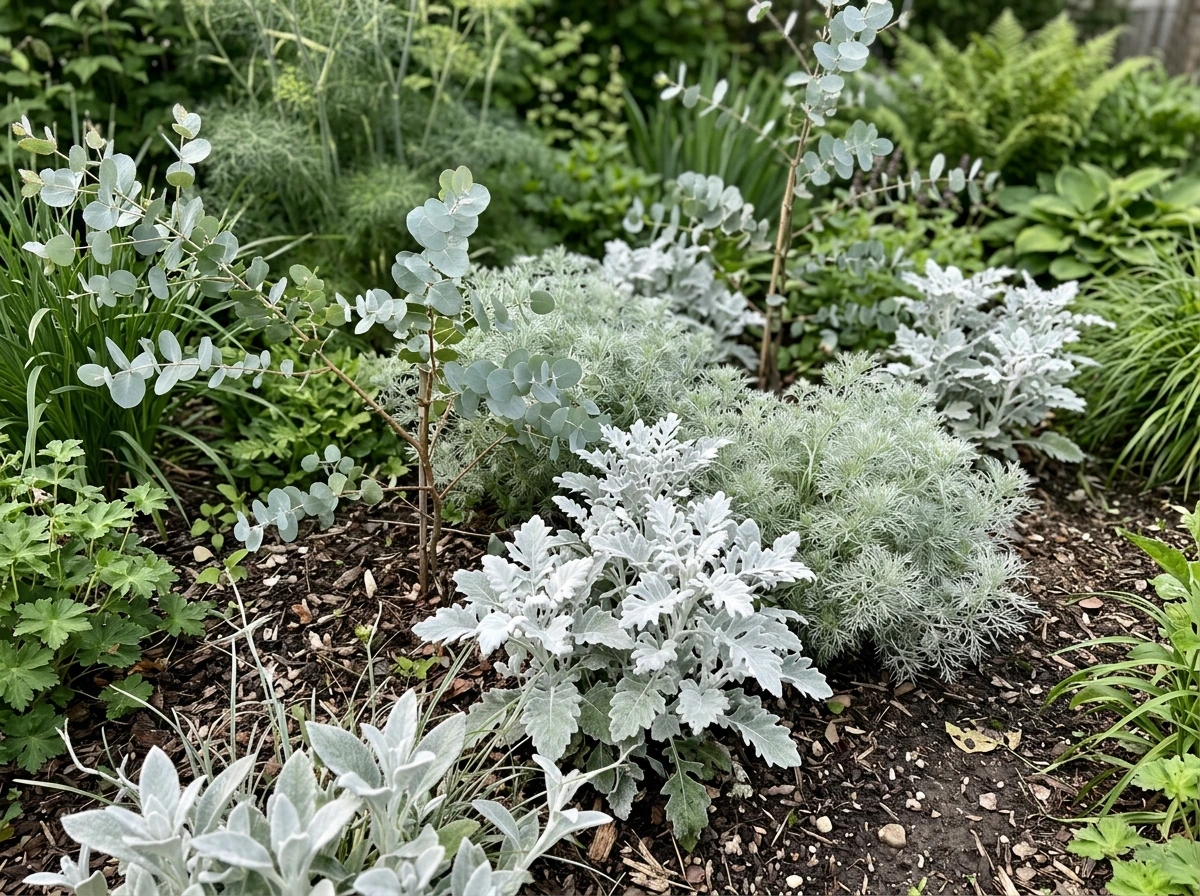
Can You Grow Silver? Yes, If You Mean the Right Plant
Yes for silvery plants. Learn which “silver” to grow, US climate fit, care needs, planting tips, and failures to avoid.
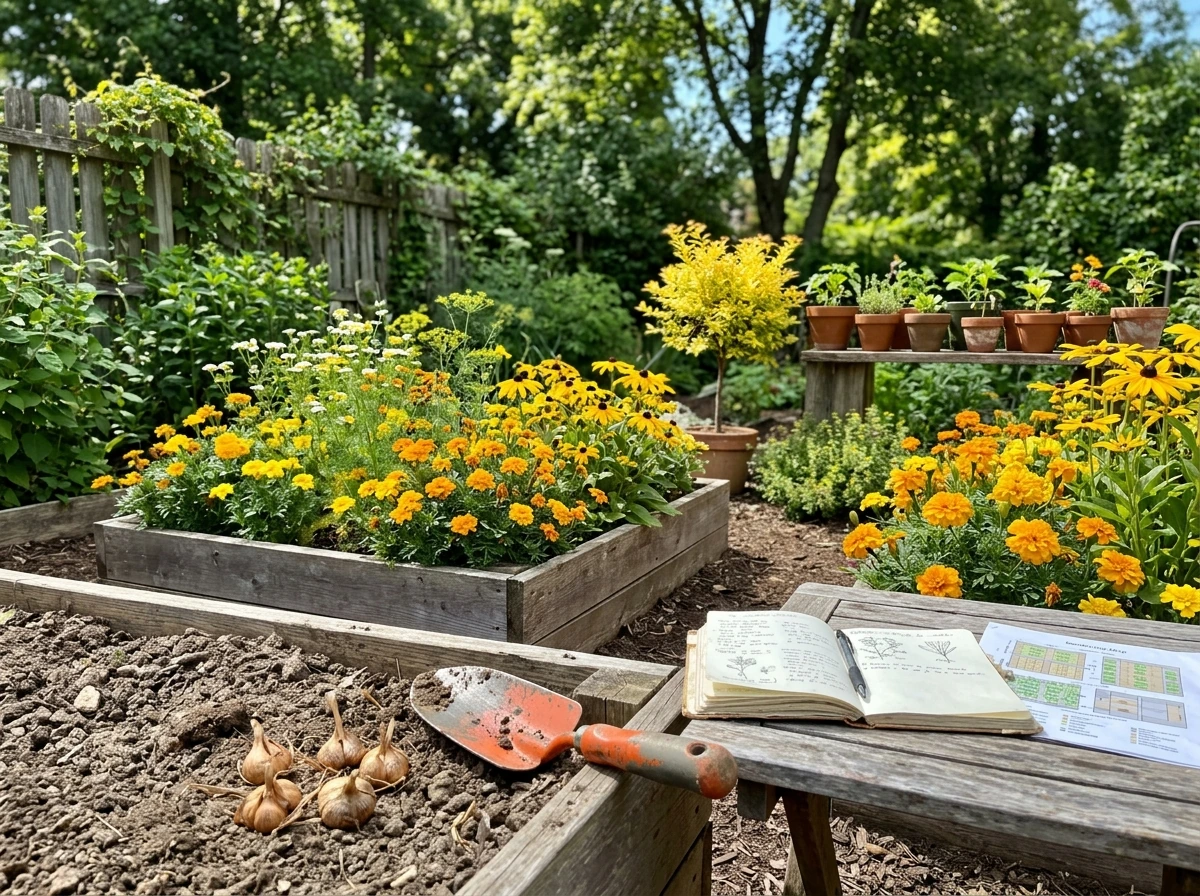
Can You Grow Gold at Home? What to Plant by Zone and Year
Can you grow gold? Learn which edible or ornamental golden crops fit your US zone, with a year-by-year plan and tips.
Can You Grow Salt? How to Grow Salt Crystals at Home
Grow salt crystals at home using brine, supersaturation, evaporation, and seeding. Includes setup, troubleshooting, and